
Ski suits Clothing for Women


Select Size


Select Size


Select Size


Select Size
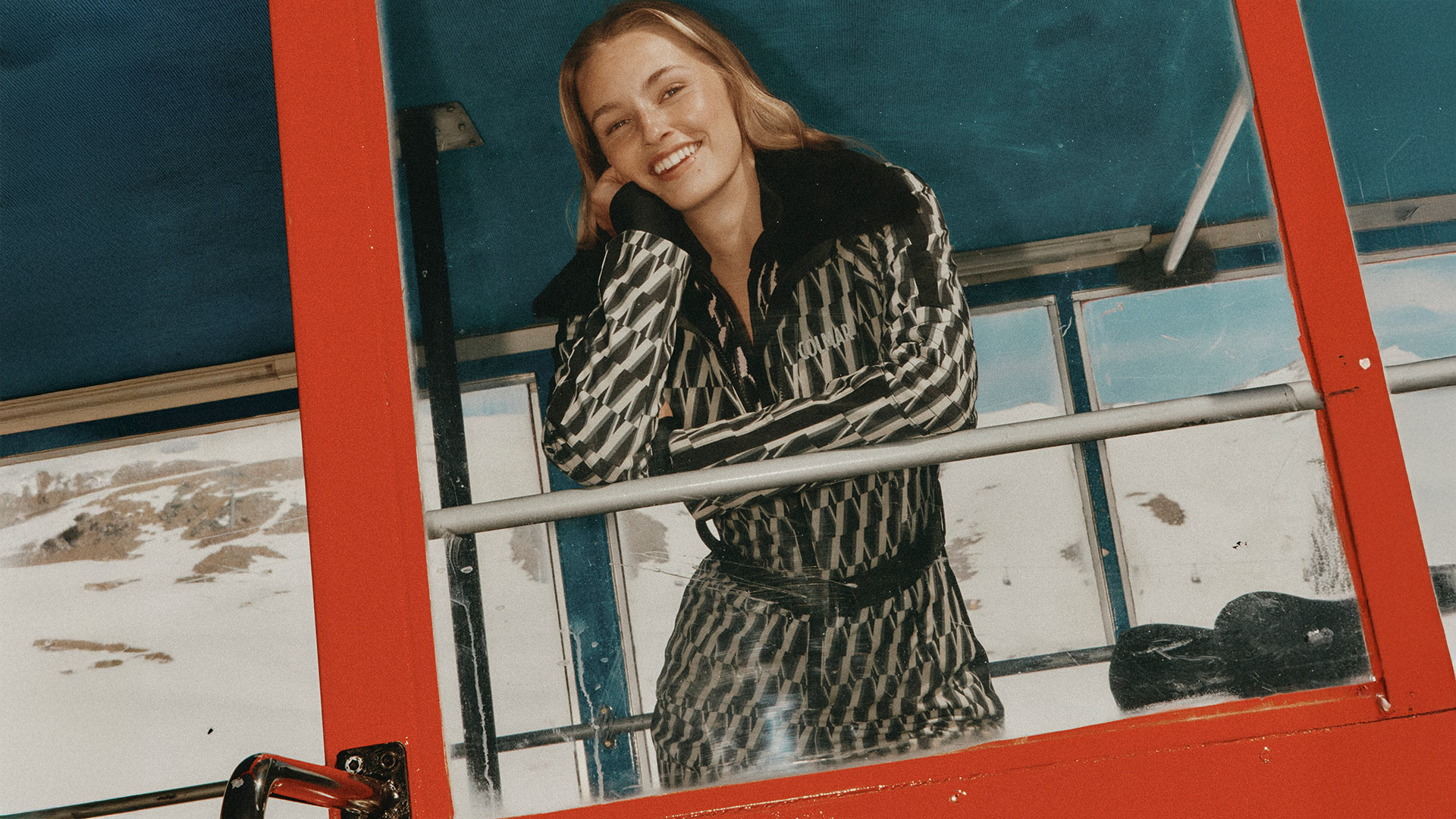
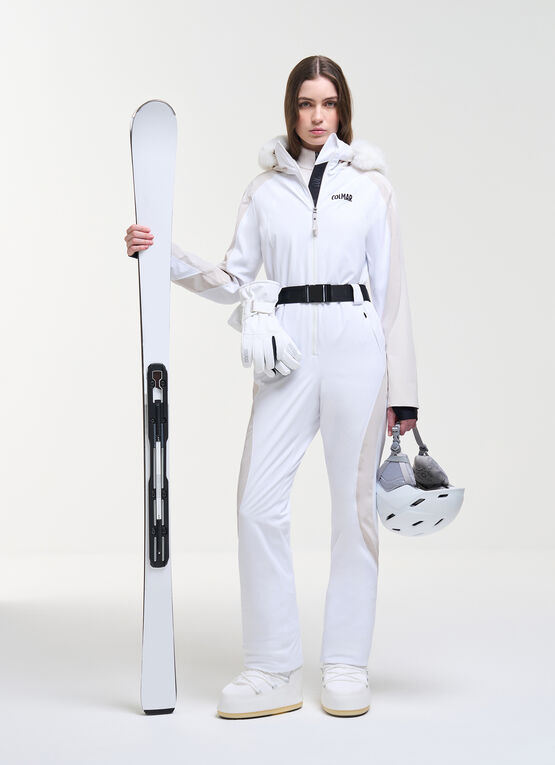
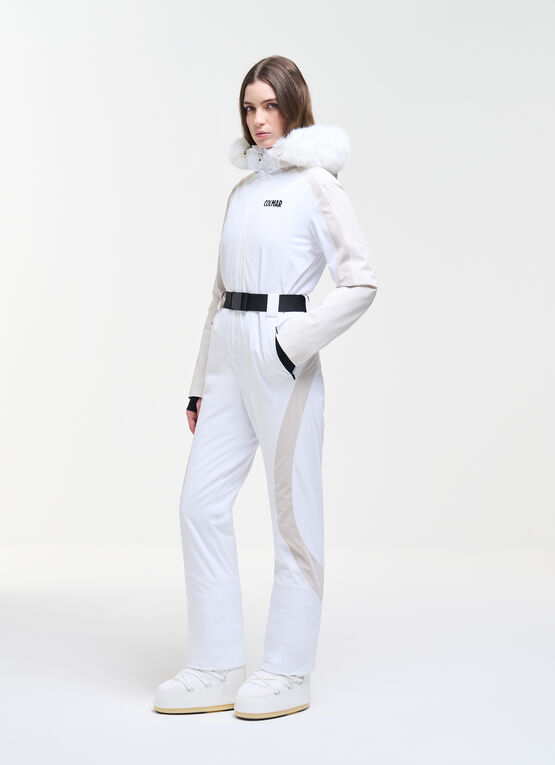
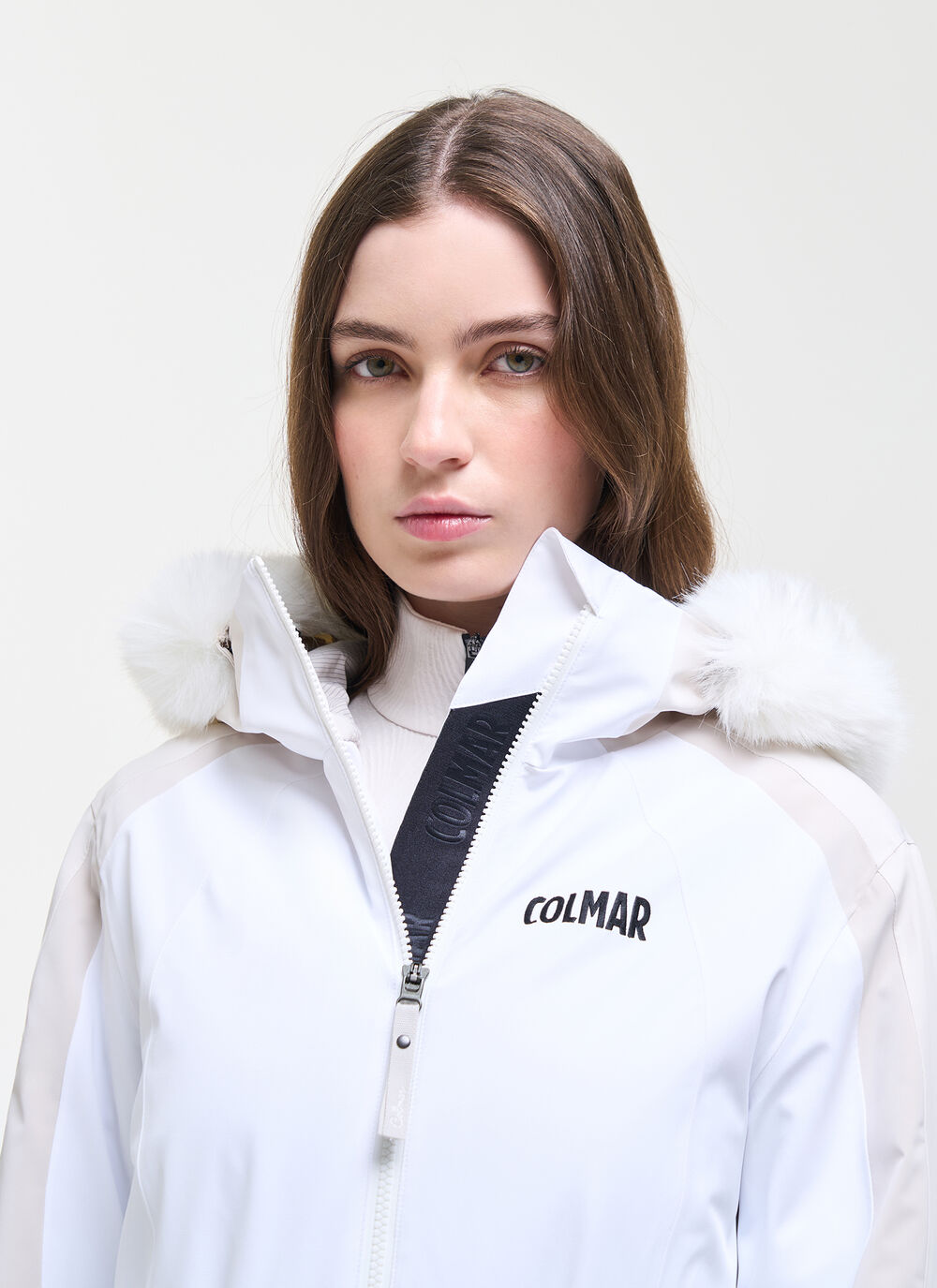
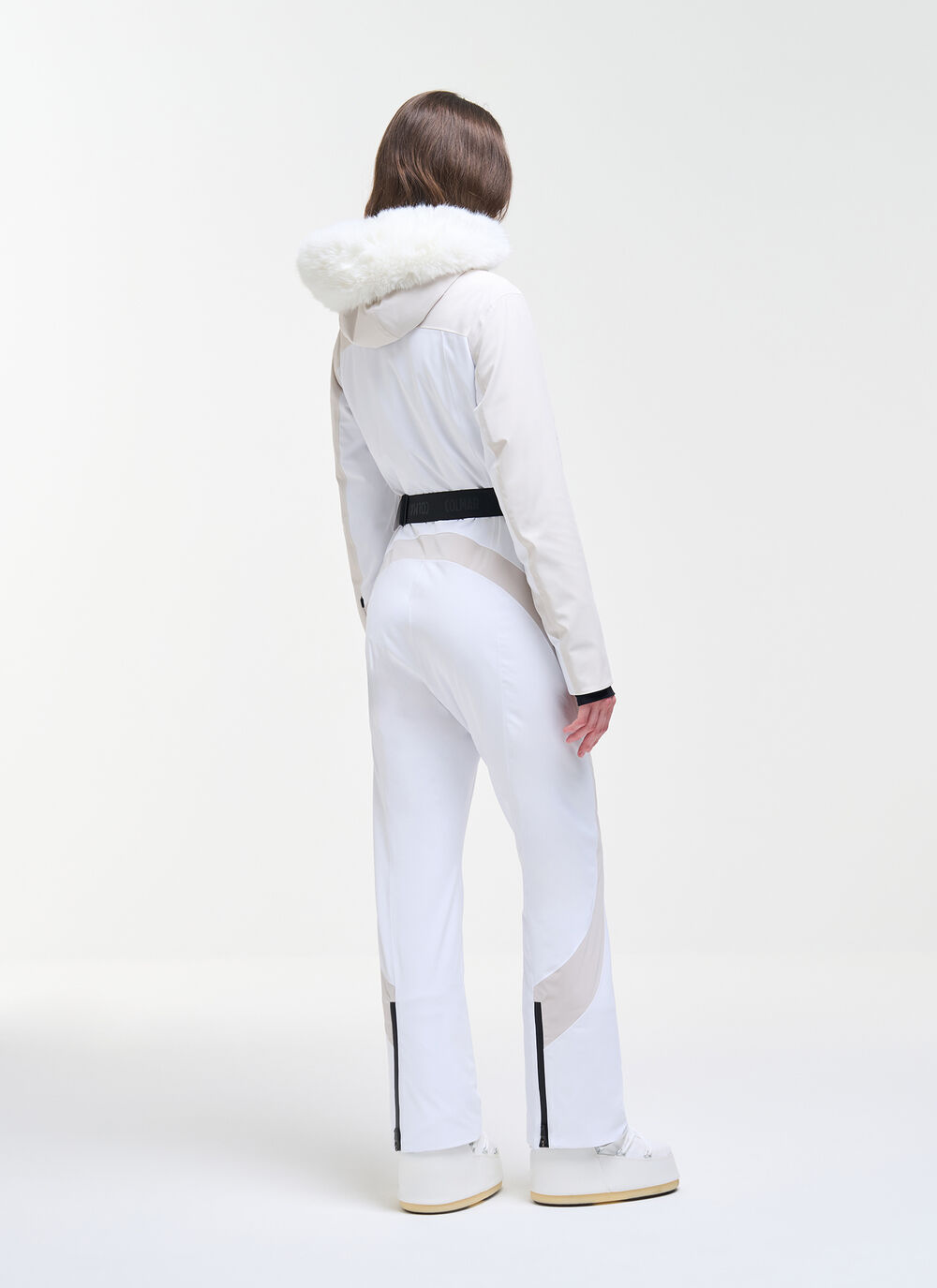
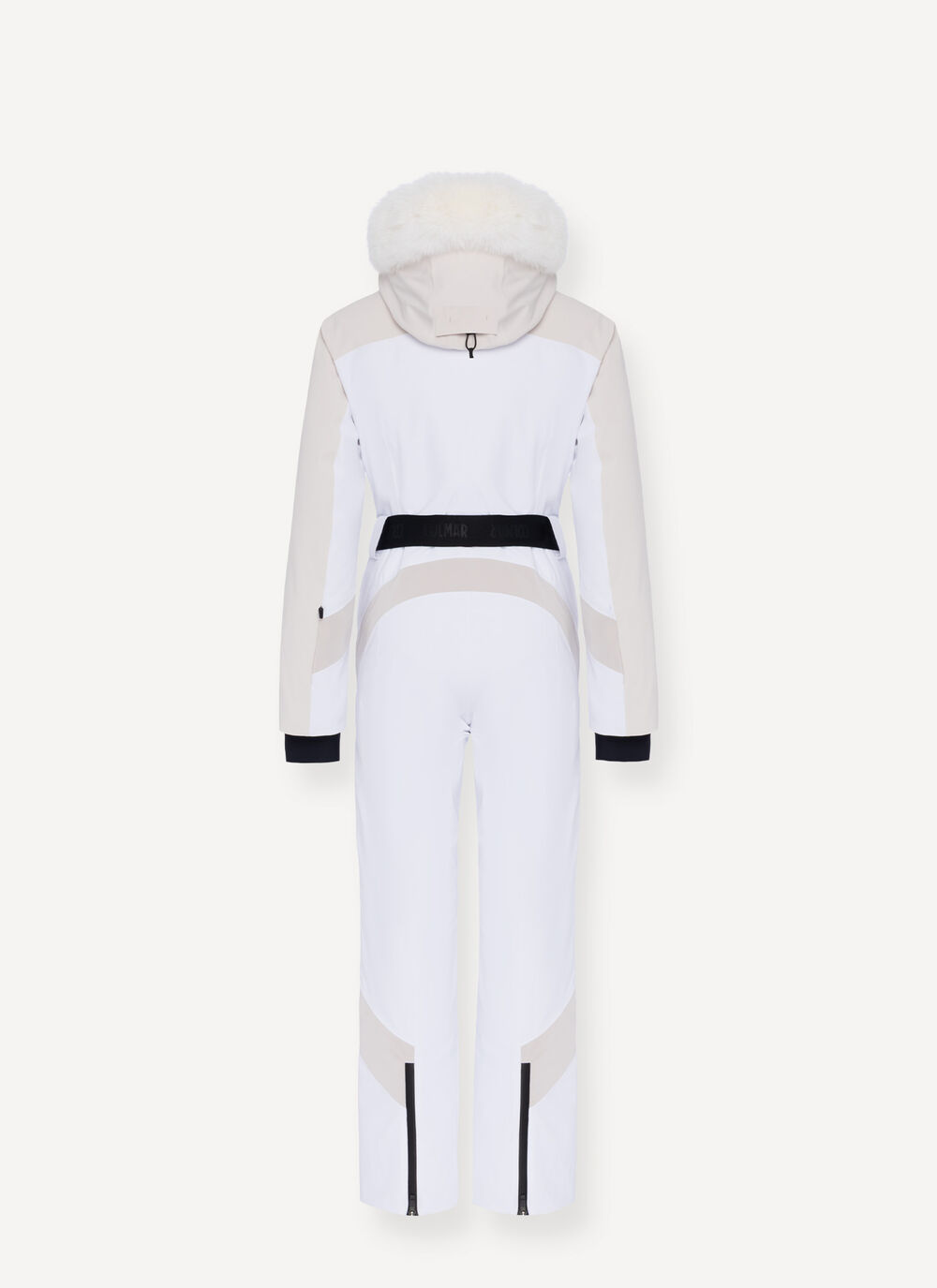
Colmar women's ski suits combine protection, fit and visual identity in a single garment. The selection includes padded models and softshell suits, with different warmth levels and waterproof constructions. Belt, trouser line, upper-body volume and freedom at the shoulders and knees are central to the choice: a ski suit should follow the body while skiing without becoming restrictive when technical layers are worn underneath.
Women's ski and snow suits for style and performance
A ski suit is a one-piece garment that combines jacket and trousers in a single structure. It provides continuous protection from snow and wind and flatters the figure with a clean line, uninterrupted at the waist.
That is why it is popular both with women who ski intensively and with those looking for an elegant look on the snow. Modern ski suits are designed with technical fabrics and cuts that follow your movements, combining aesthetics and performance at every moment of the day.
One-piece ski suit or two-piece set: the differences
A one-piece suit reduces the entry points for snow and creates a continuous silhouette; a separate jacket and trousers offer more flexibility in combining sizes, warmth levels and colours.
If you often ski in similar conditions and like a defined look, a ski suit is a straightforward solution. If you alternate between very different periods and temperatures, a two-piece set lets you change just one component and adjust your layering more easily.
Women's one-piece ski suit for protection and a continuous silhouette
A one-piece ski suit is ideal if you ski in fresh snow, in very cold conditions or simply want maximum protection. As there is no separation between torso and legs, snow cannot get in at the waist, even in a fall.
Aesthetically, the continuous line elongates the figure and creates an elegant effect, often enhanced by belts or shaped seams. It is a choice that conveys a sporty and sophisticated image, from the slopes to après-ski.
Jacket and trousers for a modular ski outfit
A modular set lets you choose a jacket and trousers with different features, for example a warmer jacket and stretchier trousers. It is also practical off the slopes: the jacket can be worn in the village or in town, and the trousers swapped according to conditions. Discover women's ski trousers to build a made-to-measure outfit. Coordinating colours or choosing black trousers makes the outfit harmonious and easy to manage.
Softshell, padded models and warmth level
Padded ski suits retain more heat and are suitable if you want integrated thermal protection; softshell prioritises stretch, a close fit and freedom of movement. The category includes models with a medium or warm warmth level and unpadded or synthetic-padded versions. The choice should be made together with the layers underneath: a softshell suit may require a warmer mid layer than a padded model.
Waterproofing, breathability and freedom of movement
Waterproofing and breathability must remain in balance. The first protects from snow and moisture, the second helps manage the heat produced while skiing. A close-fitting suit must not prevent you from bending your knees, rotating your torso or moving your arms; so check that the fabric has the necessary stretch and try the fit with your base layers and fleeces in mind.
Close-fitting suit, technical volumes and choosing your size
The fit of the suit affects both silhouette and freedom of movement. Closer-fitting ski suits use stretch fabrics and work best with thin base layers; more technical volumes leave room for heavier mid layers.
To choose your size, ideally wear the layers you will use on the slopes and check the key movements: squat, bend your knees, raise your arms and rotate your torso. The suit should not create tension at the crotch, back or shoulders and the fastening should remain comfortable even in a tucked position. Also check the leg length in relation to the ski boot and the fit information on the product page.
Functional details: belt, hood and adjustments
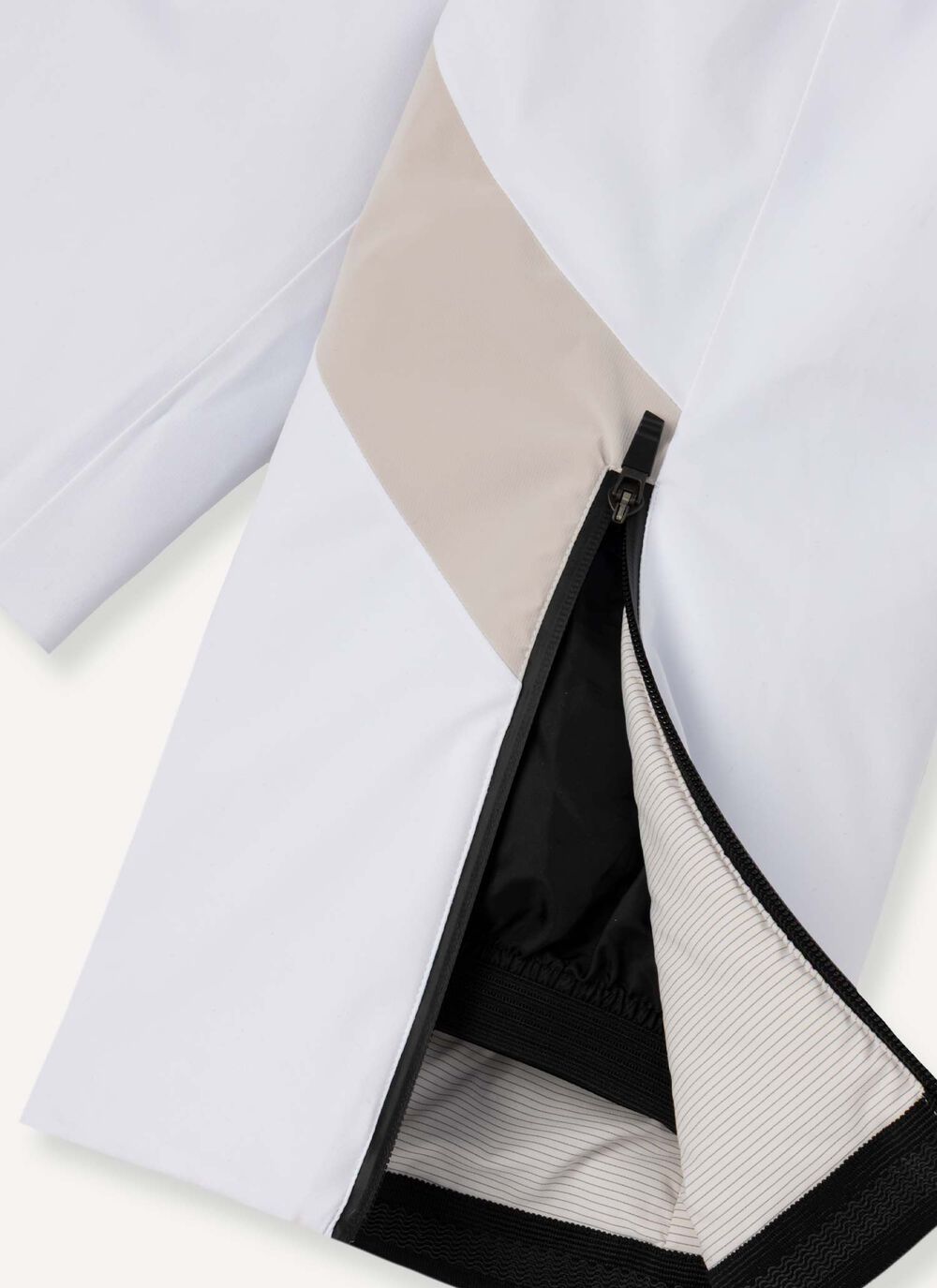
Belt and adjustments define the fit, while hood, cuffs, gaiters and pockets affect functionality. A belt can emphasise the waist but must allow you to breathe and move; the hood should fit well with helmet and collar; pockets should remain accessible even with gloves on. Check the product page, as features and details vary between softshell and padded versions.
Salopettes and ski trousers as alternatives to a one-piece suit
If you want protection similar to a ski suit but with more versatility, salopettes are an excellent alternative: the braces and bib protect your back and keep snow out, while the jacket remains separate. Traditional ski trousers are the most practical solution if you want to pair them with different jackets. Explore women's ski trousers and salopettes to find the alternative that best suits the way you ski.
Base layers and fleeces to complete your layering
Even with a padded ski suit, the layers underneath make the difference. Women's base layers sit close to the skin, manage perspiration and keep the body dry. Women's mid layers, such as fleeces or insulating tops, add warmth on colder days.
With a close-fitting suit, choose thin layers; with a roomier suit, you can also wear a warmer mid layer. Adjusting your layers lets you use the same suit throughout the season.
Gloves, hats and accessories for ski and après-ski looks
Accessories complete protection and define style. Warm, waterproof gloves, knitted hats or headbands, neck warmers and technical socks make a day on the snow more comfortable. Coordinating them with the colours of your suit creates a polished look, from the slopes to the mountain hut.
In the women's ski accessories section you will find everything you need. For après-ski, an elegant hat or a colourful headband turns your ski suit into a perfect outfit off the slopes too.
Caring for your technical ski suit according to the label
Always follow the instructions on the label: a ski suit may combine technical fabrics, padding, stretch elements and finishes that require specific care. Close zips and Velcro before washing, avoid incompatible products and dry the garment completely. Do not iron or treat membranes and technical surfaces unless the procedure is expressly indicated.