
Abbigliamento Sci Uomo


Selezione Taglia


Selezione Taglia


Selezione Taglia


Selezione Taglia


Selezione Taglia


Selezione Taglia


Selezione Taglia


Selezione Taglia


Selezione Taglia


Selezione Taglia


Selezione Taglia


Selezione Taglia



Selezione Taglia


Selezione Taglia


Selezione Taglia


Selezione Taglia


Selezione Taglia


Selezione Taglia


Selezione Taglia


Selezione Taglia


Selezione Taglia


Selezione Taglia


Selezione Taglia


Selezione Taglia


Selezione Taglia


Selezione Taglia


Selezione Taglia


Selezione Taglia


Selezione Taglia


Selezione Taglia


Selezione Taglia


Selezione Taglia


Selezione Taglia


Selezione Taglia


Selezione Taglia


Selezione Taglia


Selezione Taglia


Selezione Taglia


Selezione Taglia


Selezione Taglia


Selezione Taglia


Selezione Taglia



Selezione Taglia


Selezione Taglia


Selezione Taglia


Selezione Taglia


Selezione Taglia


Selezione Taglia
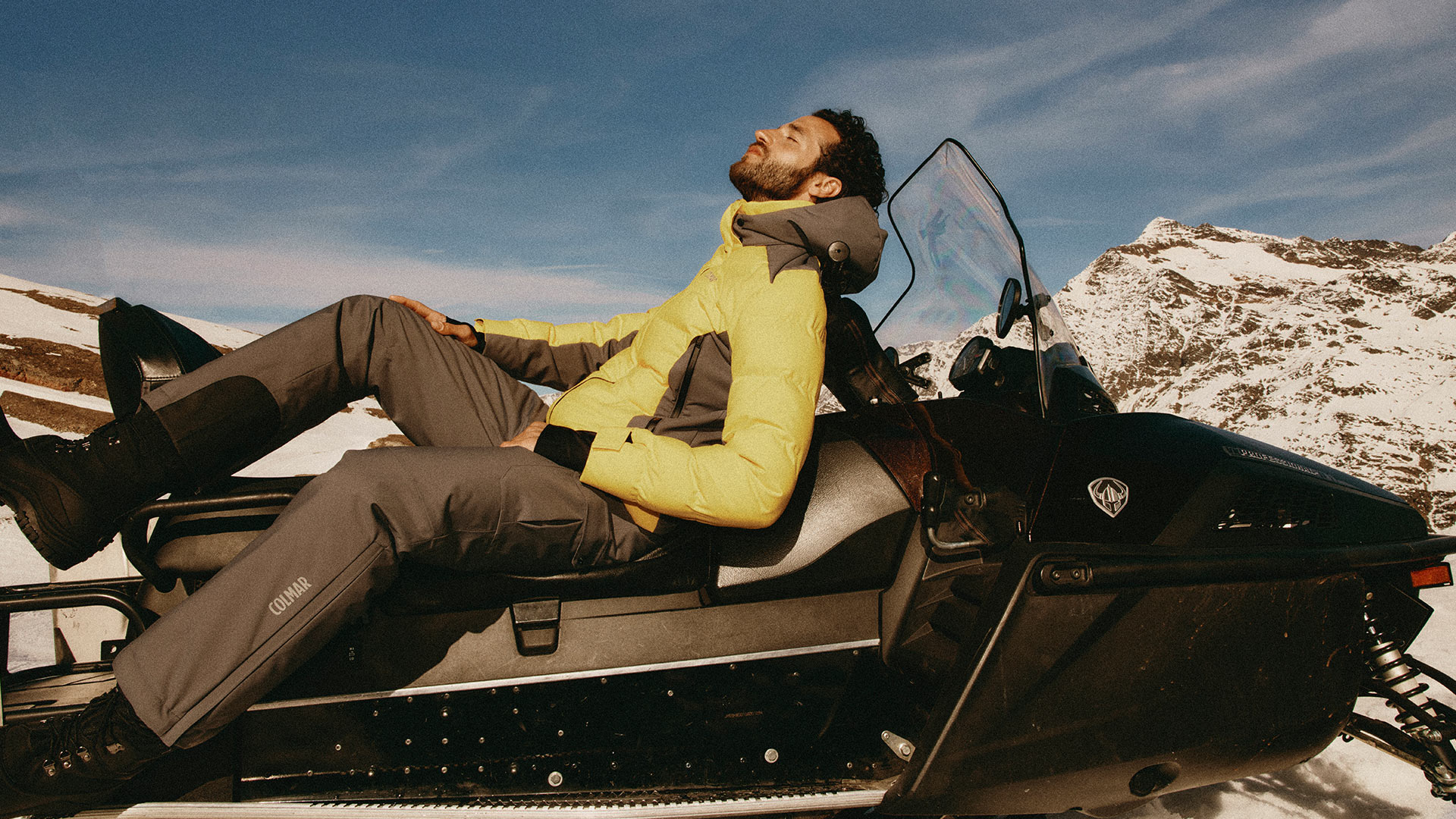
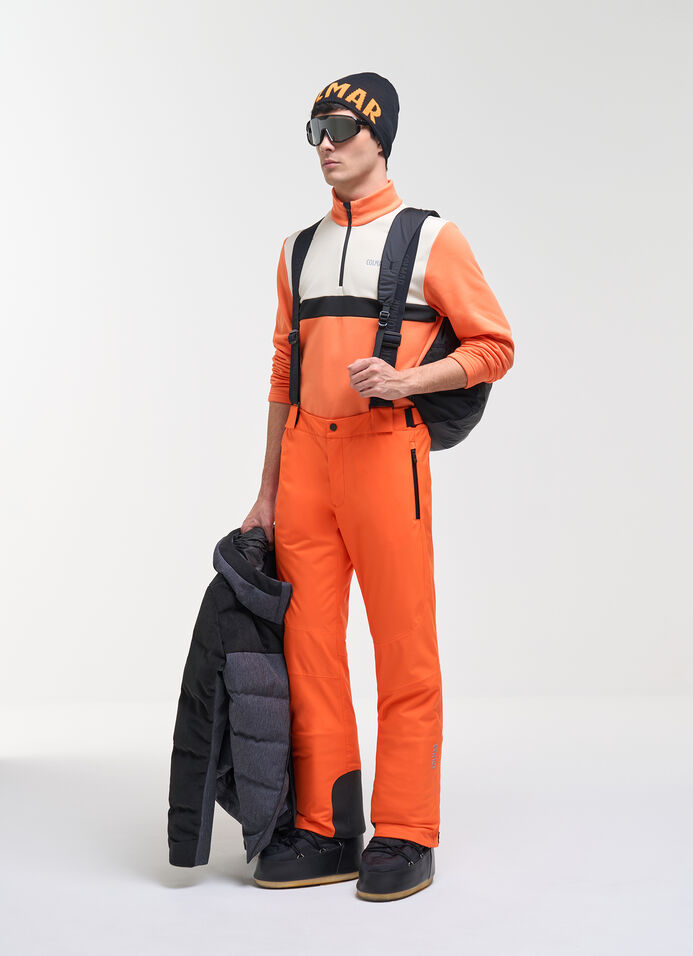
Colmar men's skiwear is built in layers: jacket and trousers handle outer protection, base layers and fleeces regulate temperature and moisture, gloves and accessories complete the system.
In the collection you will find comfort, regular and slim fits and different warmth levels, so you can put together your outfit according to weather, intensity and personal sensitivity. The most effective choice is not the "warmest" garment, but the combination that keeps a balance between insulation, protection and freedom of movement.
Men's ski and snow clothing: how to build your outfit
To build your ski outfit, start from the outer layer: men's ski jacket and men's ski trousers should offer a consistent level of protection. Underneath, a thermal top manages contact with the skin and a fleece or mid layer adds warmth. Complete with gloves, socks and a neck warmer. This modular approach lets you adapt the same outfit to very different days.
Men's ski suit and two-piece set
A one-piece ski suit offers continuous protection against snow, with no gaps between jacket and trousers, and is popular with those who ski in fresh snow or very cold conditions. A two-piece set is the most common solution among male skiers, because it lets you combine garments with different features and wear the jacket off the slopes too.
The choice depends on your habits: practicality and protection with the suit, versatility and modularity with separate jacket and trousers. If you ski in very different settings during the season, a two-piece set lets you change just one garment instead of buying a whole new set.
Technical jacket and level of protection
The jacket is the garment that determines the level of protection of your outfit. It must be waterproof to withstand wet snow and sleet, breathable to release the heat produced during exertion and, depending on the model, padded for intense cold.
An adjustable hood, snow skirt and protected zips increase protection on difficult days. In the men's ski jackets section you will find padded models, ski down jackets and shells for different conditions.
Ski trousers and freedom of movement
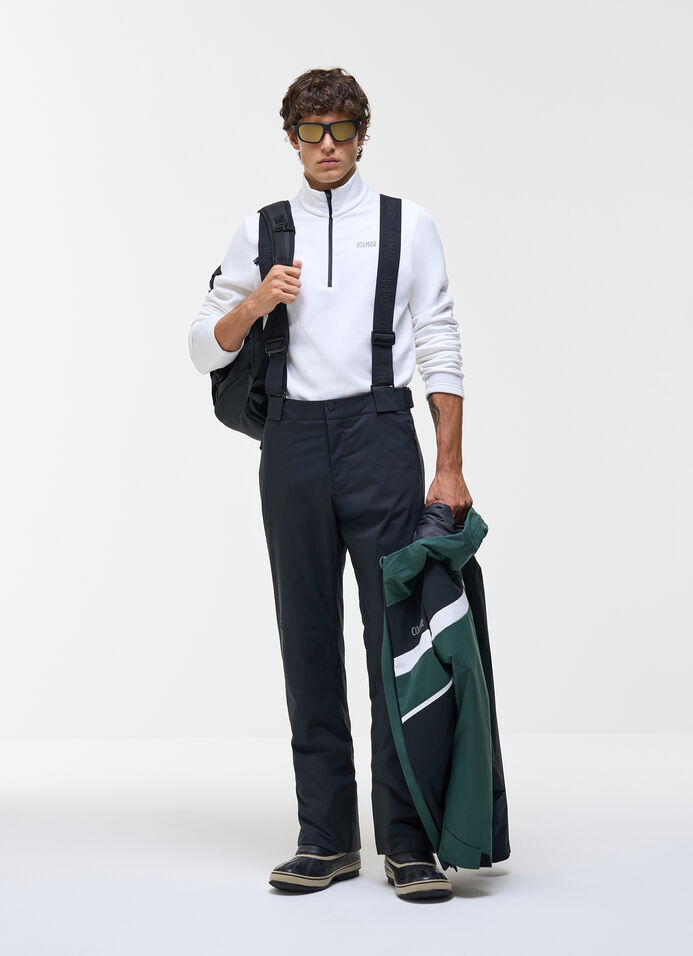
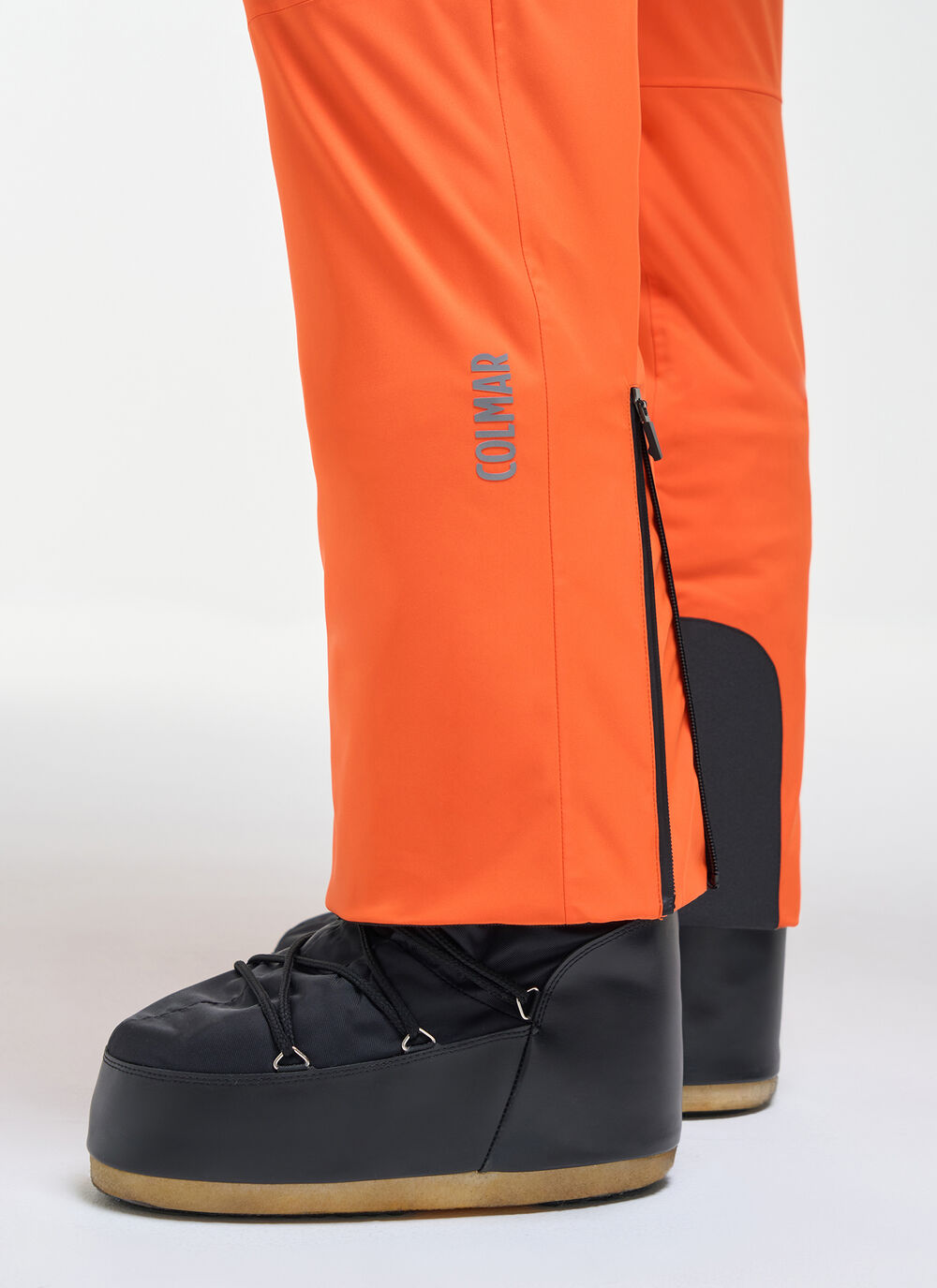
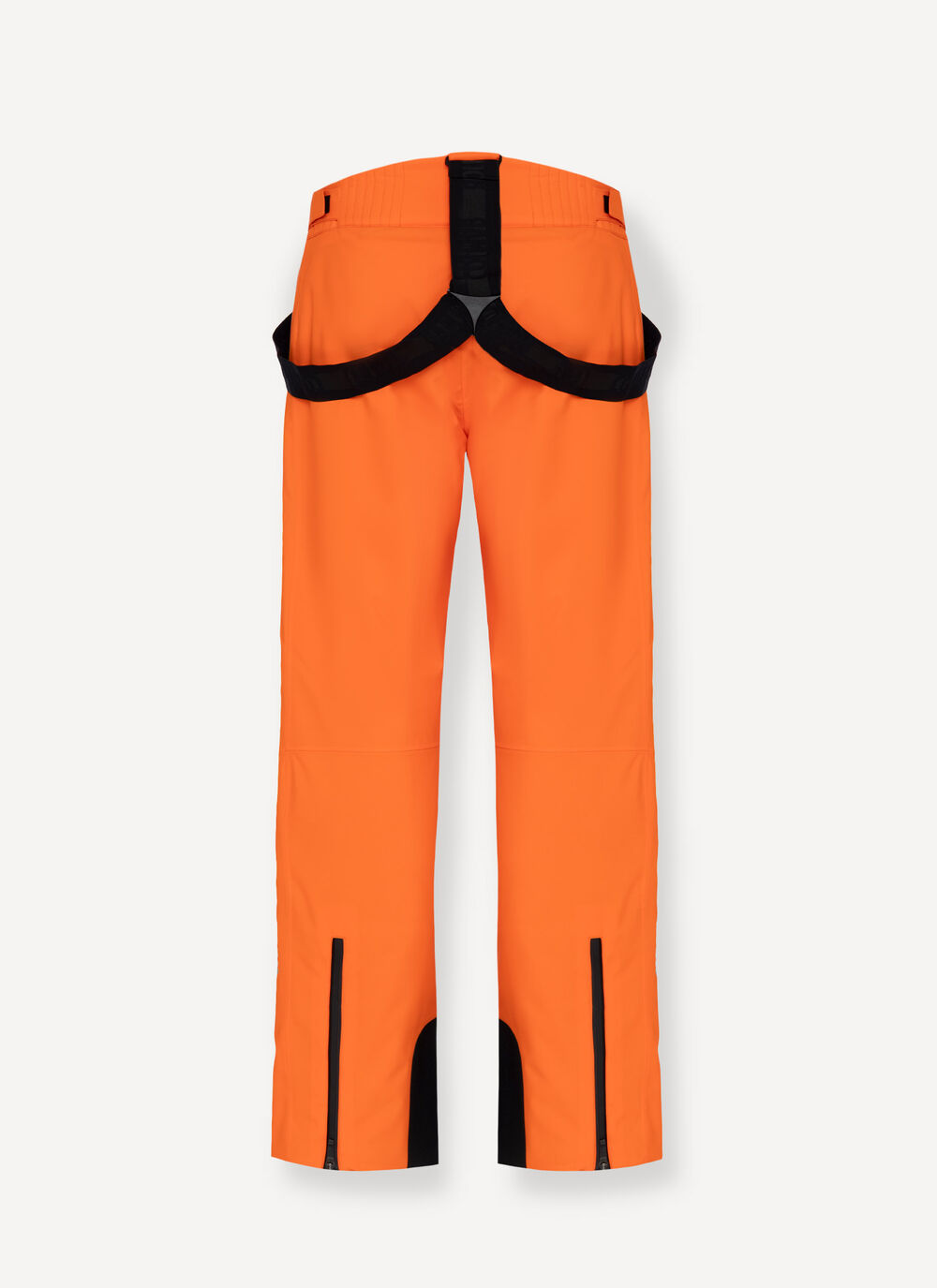
Ski trousers must protect from snow without hindering movement at the knees and hips. Stretch fabrics, shaped knees and adjustable waistbands help you find the right comfort. Inner gaiters prevent snow from getting into the ski boot, while reinforcements at the hem protect against ski edges. Discover Colmar men's ski trousers and choose the level of padding according to how much you feel the cold.
Men's ski jackets: waterproofing, breathability and insulation
Waterproofing, breathability and insulation should be assessed together. A waterproof jacket protects from snow and precipitation; breathability becomes decisive during intense skiing; insulation defines how much heat the garment retains.
The Colmar range includes padded models, technical down jackets and shells: a more insulating garment makes it easier to manage the cold, while a shell leaves more freedom to adjust the layers underneath. Also check hood, snow skirt, cuffs, vents and pockets, as they affect protection and practicality on the slopes.
Ski trousers, salopettes and softshell models
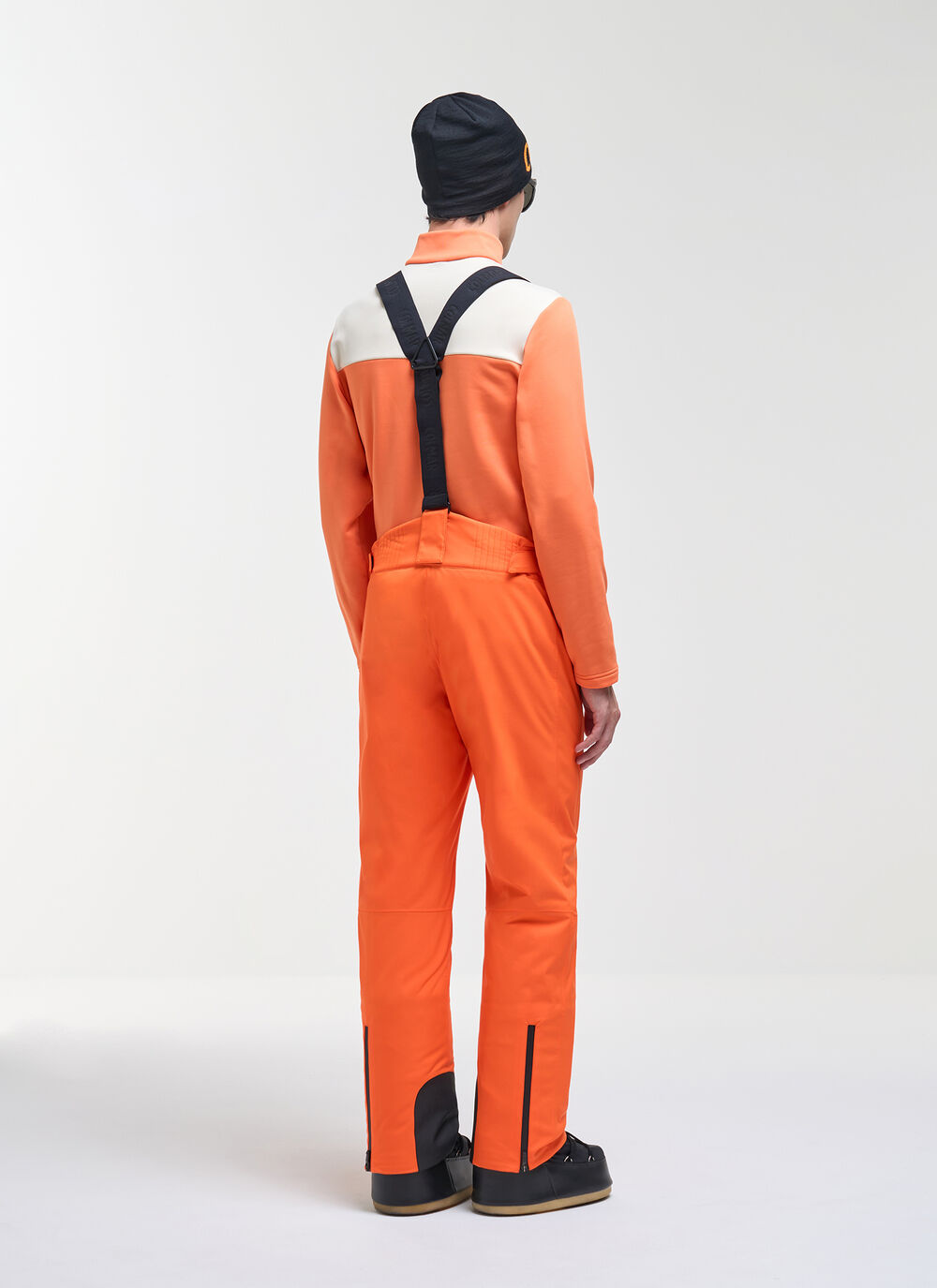
Trousers can be padded, softshell or built as salopettes. Padded models prioritise warmth, softshell offers stretch and a drier feel, and salopettes increase coverage and stability at the waist. Check for snow gaiters, reinforcements and adjustments: these are useful for protecting the lower leg and improving integration with the ski boot.
Thermal tops, base layers and fleeces for layering
A men's base layer, such as a thermal top, should stay close to the body without restricting movement; a mid layer, such as a fleece, adds warmth and can be lightened when the temperature rises. It is best to avoid overly bulky layers under an already padded jacket: they compress the insulation and reduce mobility. For cold days, increase the quality and warmth of your layers rather than multiplying them at random.
Men's ski gloves, socks and accessories
Men's ski accessories complete protection in the most exposed areas and affect comfort throughout the day. Gloves should combine warmth, protection from moisture and sensitivity when gripping the poles; technical socks should stay in place in the ski boot, without folds or overlaps that create pressure.
Hats, headbands and neck warmers are useful during breaks, on the chairlift and when moving around. Choose the level of insulation according to temperature, wind and your personal sensitivity to the cold. Helmet and goggles should also integrate properly with jacket, hood and neck warmer, avoiding interference with movement or excessive gaps in the most exposed areas.
Choosing garments according to activity and weather conditions
In intense cold or strong wind you need more insulation and a solid outer barrier; in mild temperatures or during high activity it is better to reduce warmth and increase heat dispersion. Time on the chairlift also changes how you perceive the temperature.
That is why it pays to choose garments according to the most frequent conditions and keep your layering adjustable, rather than building an outfit that only works at one temperature. If you ski at varying intensities, an easily adjustable layering system helps you manage the transitions between runs, lifts and breaks. So consider not only the expected temperature, but also pace, wind and time spent standing still.
Fit and layers without restricting movement
Skiwear must allow free movement even with several layers underneath. Try on jacket and trousers imagining you are wearing base and mid layers, and check that you can bend your arms and knees without tension. Sleeves should cover your wrists in skiing position and trousers should fall correctly over the ski boot.
To find the right size, check the size guide and the fit information on each product page. A jacket that is slightly longer at the back better protects the lower back when you are in skiing position or sitting on the chairlift.
From the slopes to après-ski: style and function
From the slopes to breaks in the mountain hut, a modular outfit makes it easier to adapt to temperature changes. A jacket with vents and an easily removable mid layer let you manage heat without changing your whole outfit, while gloves, beanie and neck warmer add protection during less dynamic moments.
For a coherent look, coordinate jacket and trousers by level of protection and choose accessories according to the expected conditions, not just colour.
Care and maintenance of skiwear
Wash jackets, trousers and technical layers following each product's instructions. Close zips and Velcro, avoid products not indicated on the label and dry garments completely before storing them. Membranes, water-repellent treatments and padding require different care: do not apply generic waterproofing products or treatments unless they are compatible with the material.