
Giacche da sci Donna


Selezione Taglia


Selezione Taglia


Selezione Taglia


Selezione Taglia


Selezione Taglia


Selezione Taglia


Selezione Taglia


Selezione Taglia


Selezione Taglia


Selezione Taglia


Selezione Taglia


Selezione Taglia


Selezione Taglia


Selezione Taglia


Selezione Taglia


Selezione Taglia


Selezione Taglia


Selezione Taglia


Selezione Taglia




Selezione Taglia


Selezione Taglia


Selezione Taglia


Selezione Taglia


Selezione Taglia


Selezione Taglia


Selezione Taglia


Selezione Taglia


Selezione Taglia


Selezione Taglia


Selezione Taglia


Selezione Taglia


Selezione Taglia


Selezione Taglia


Selezione Taglia




Selezione Taglia


Selezione Taglia


Selezione Taglia


Selezione Taglia


Selezione Taglia


Selezione Taglia


Selezione Taglia


Selezione Taglia


Selezione Taglia


Selezione Taglia


Selezione Taglia


Selezione Taglia
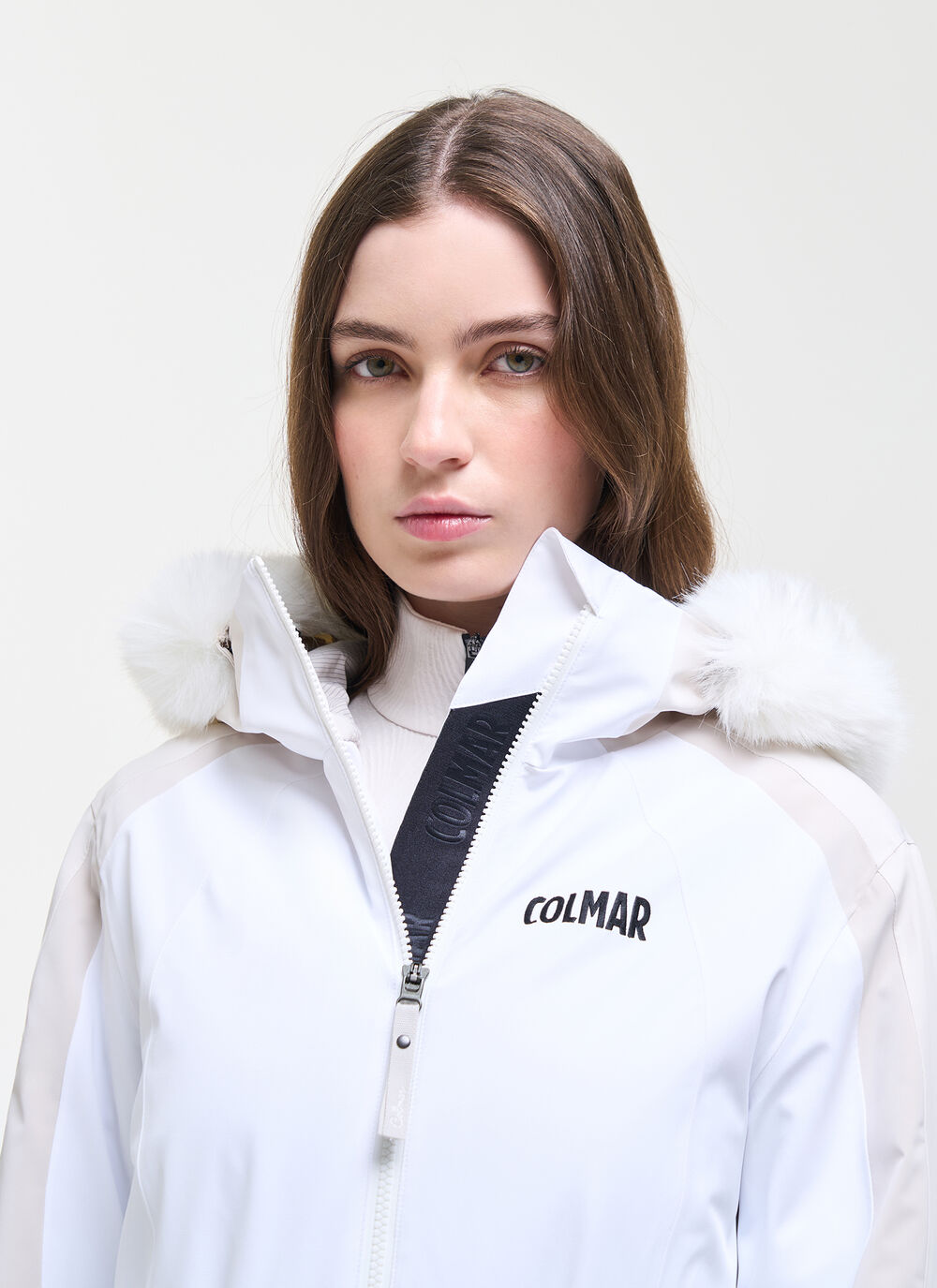
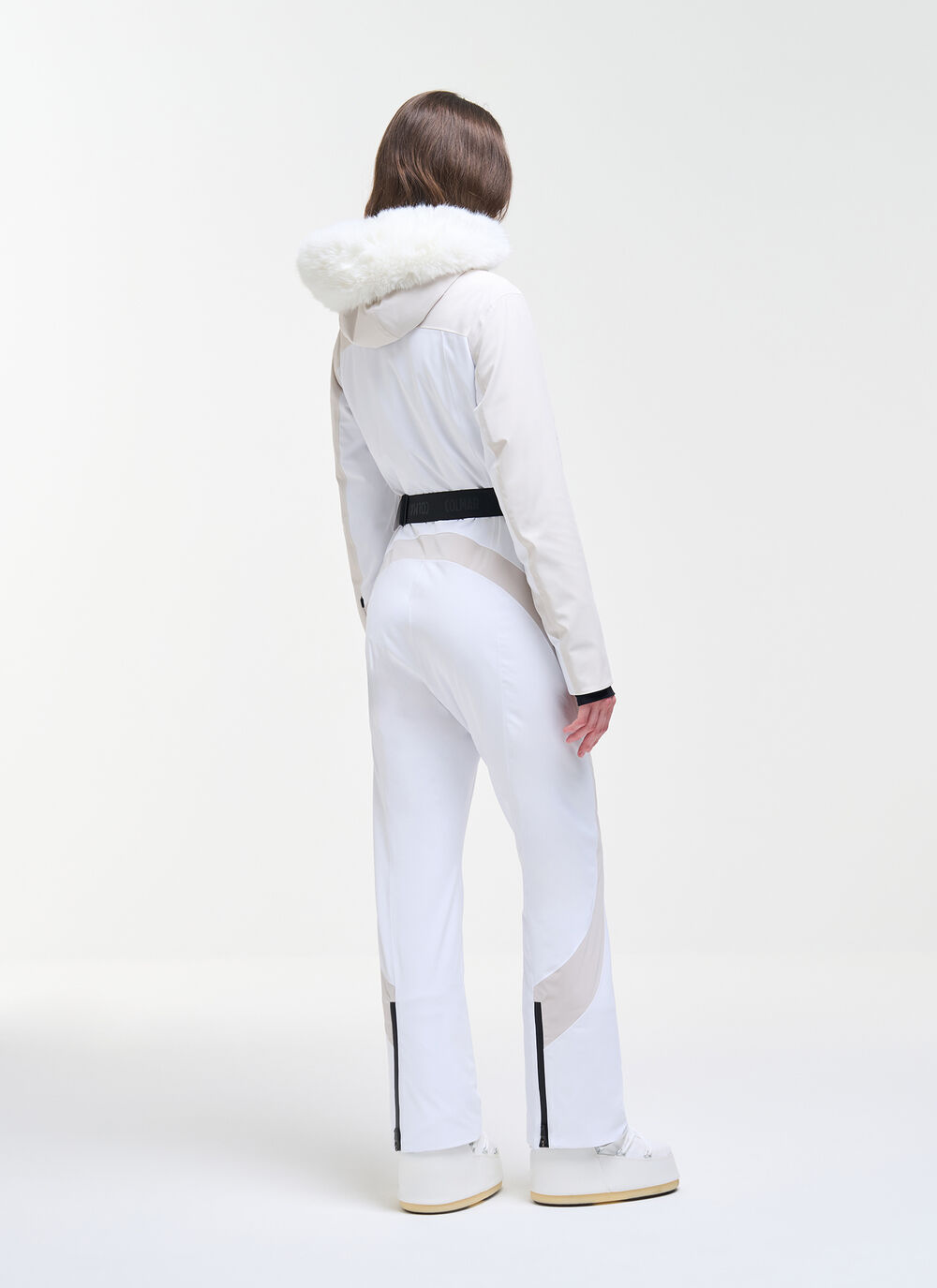

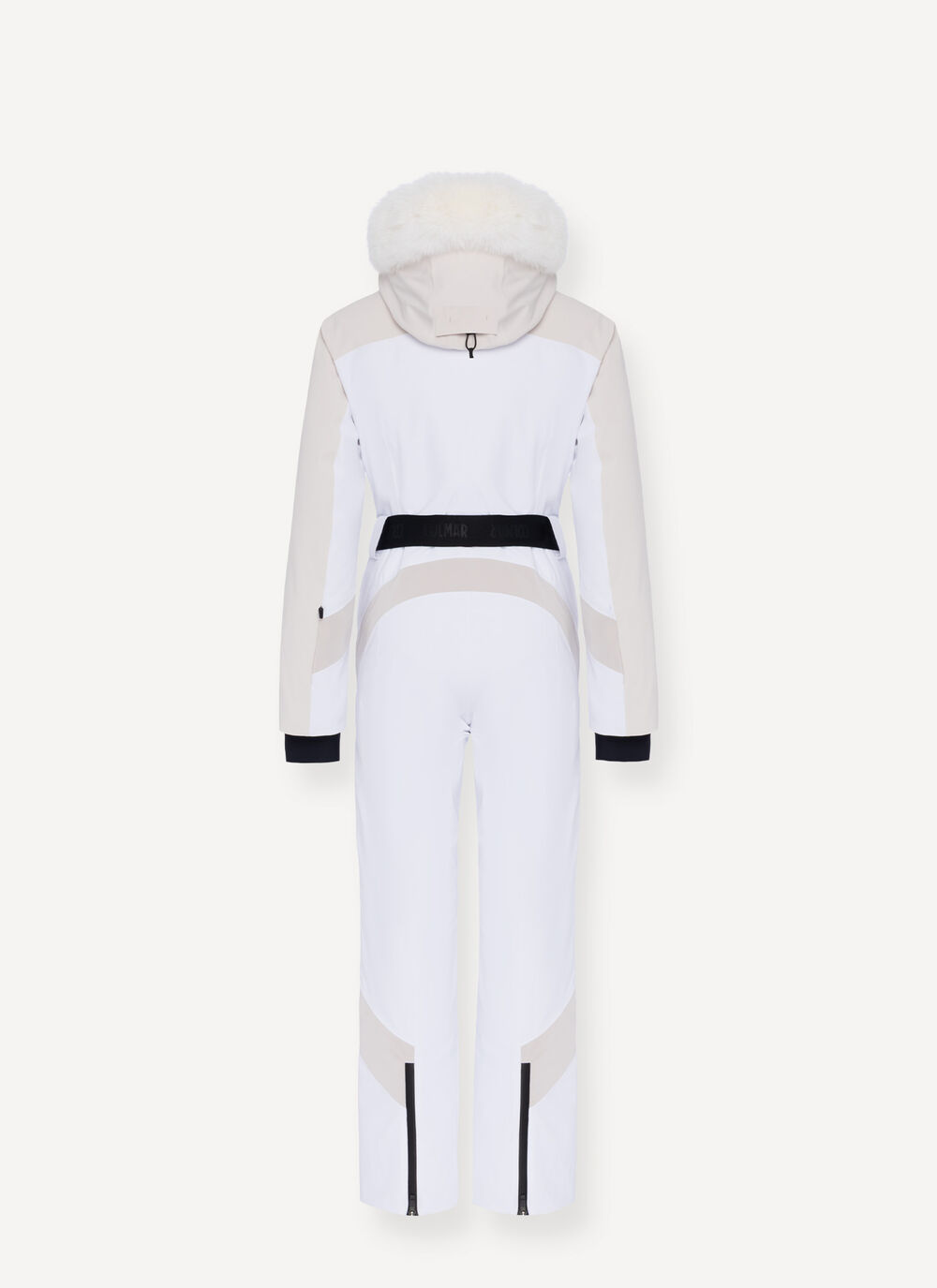
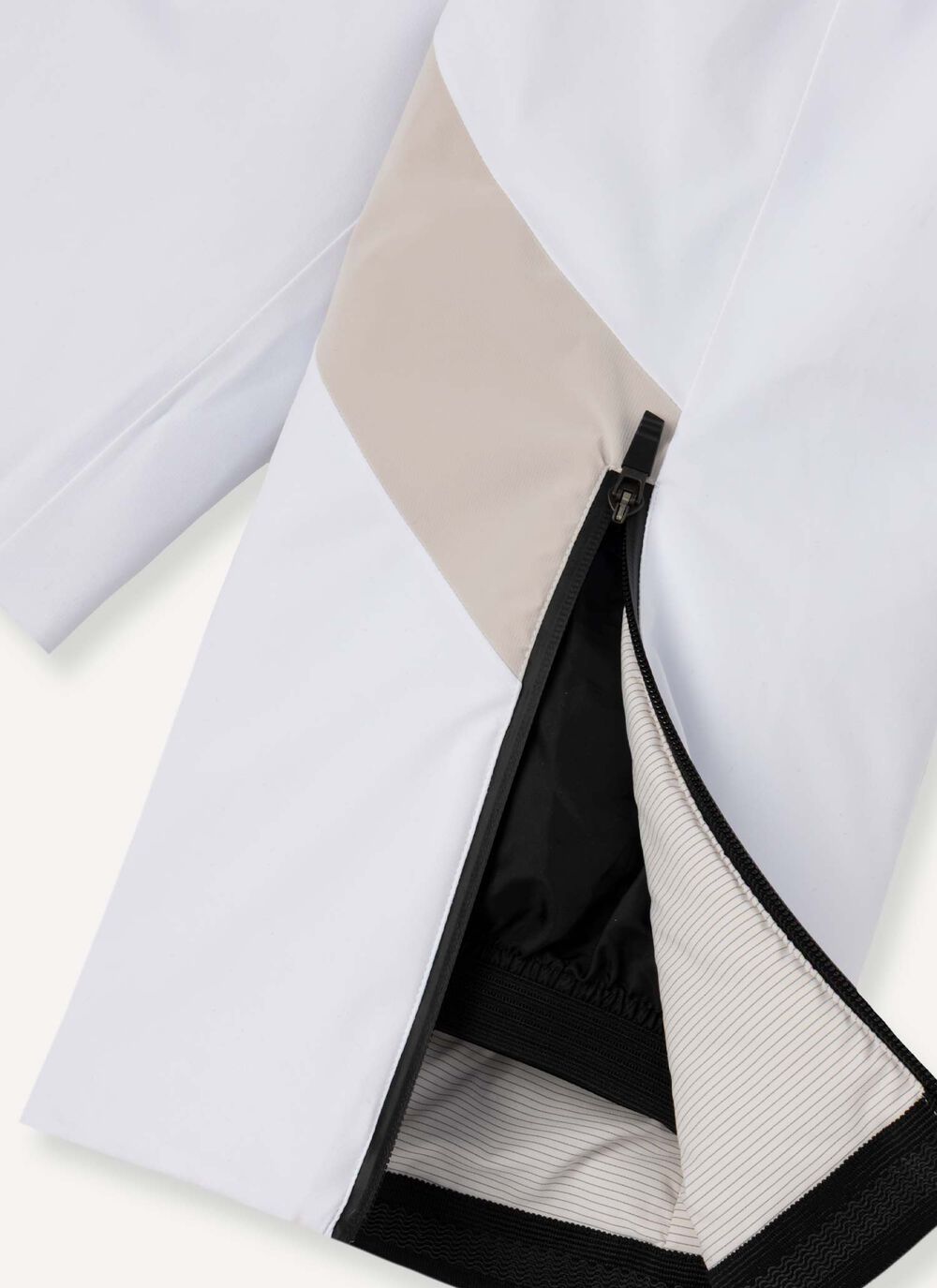

Selezione Taglia




Selezione Taglia
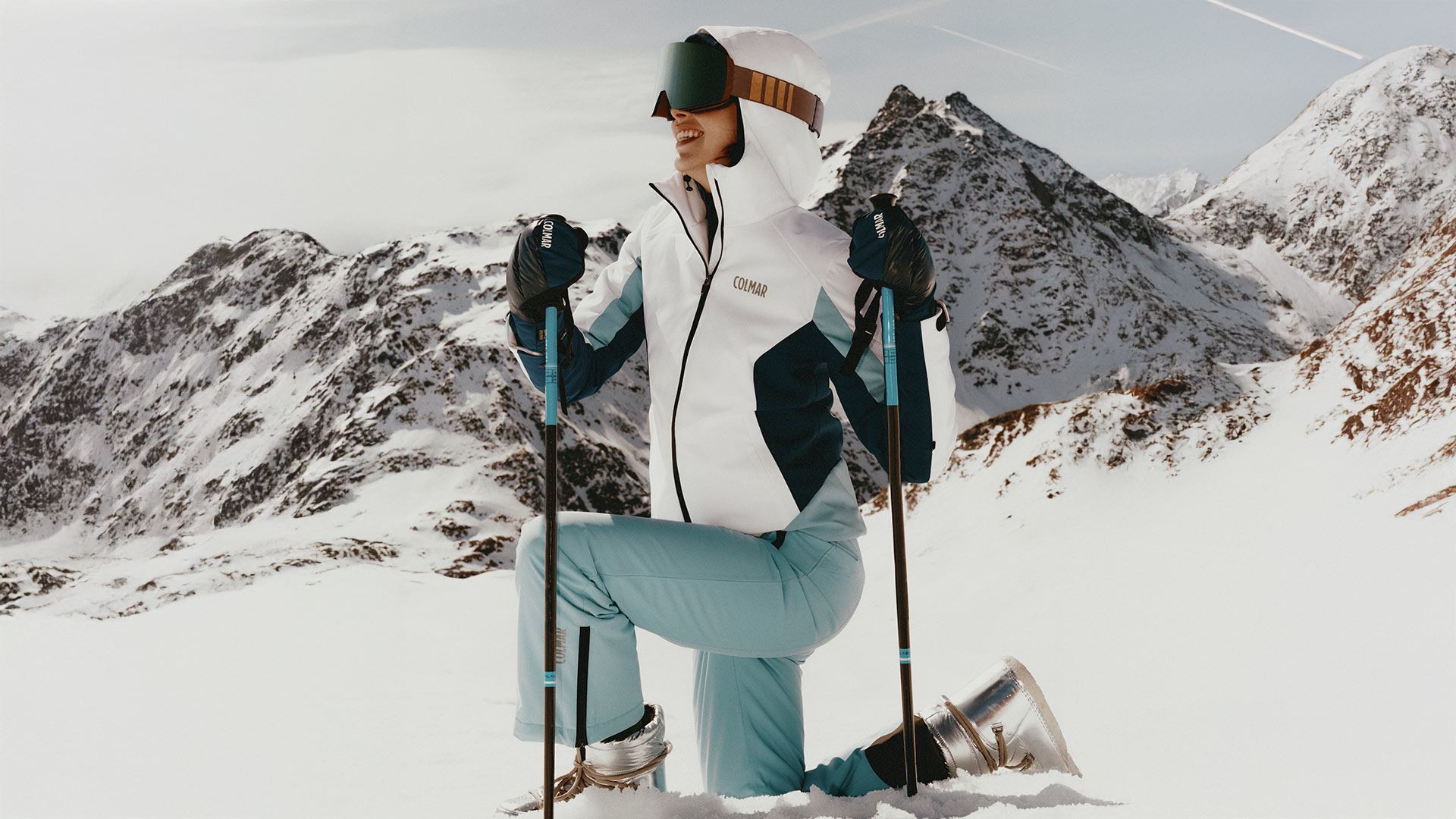
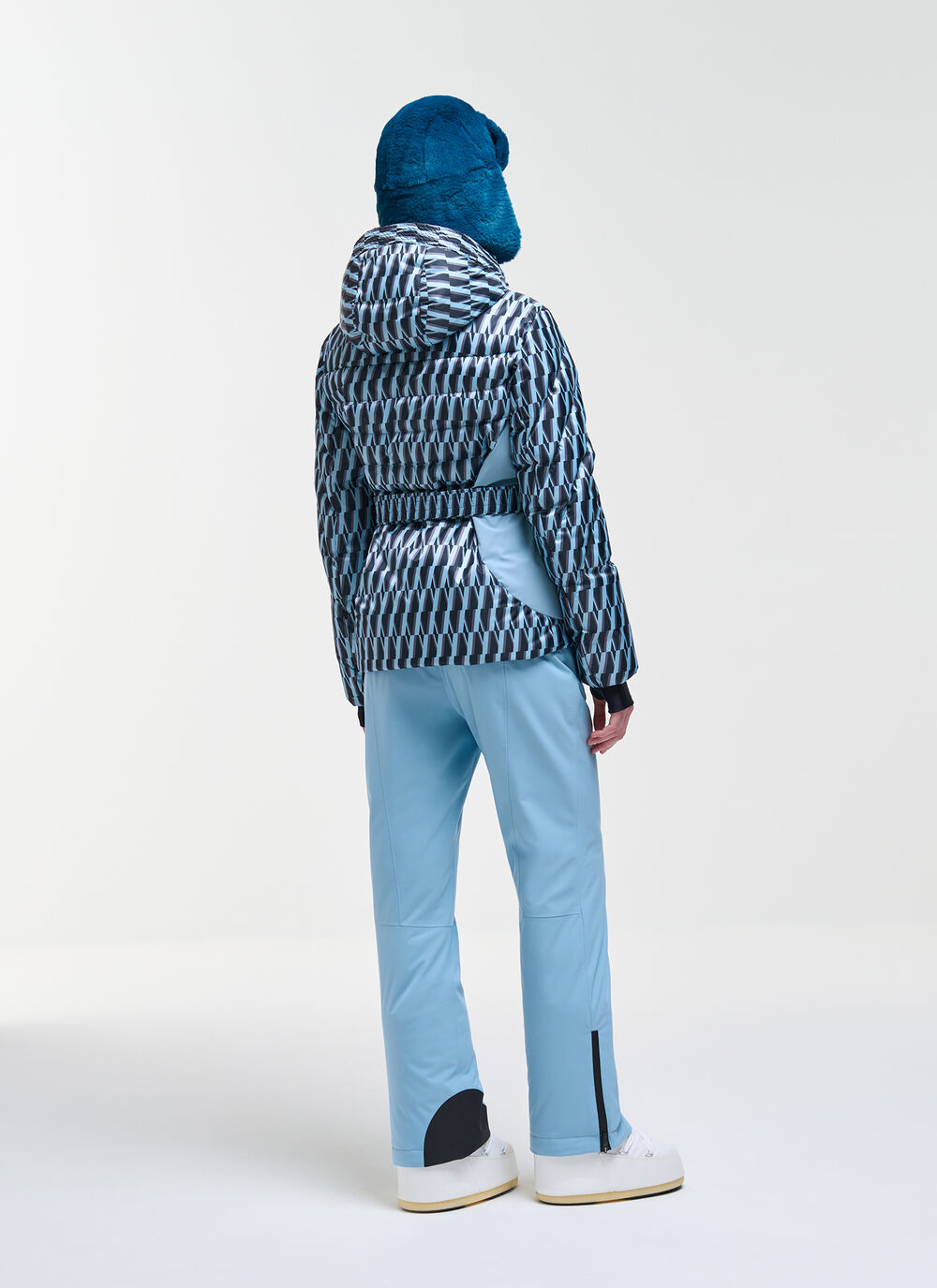
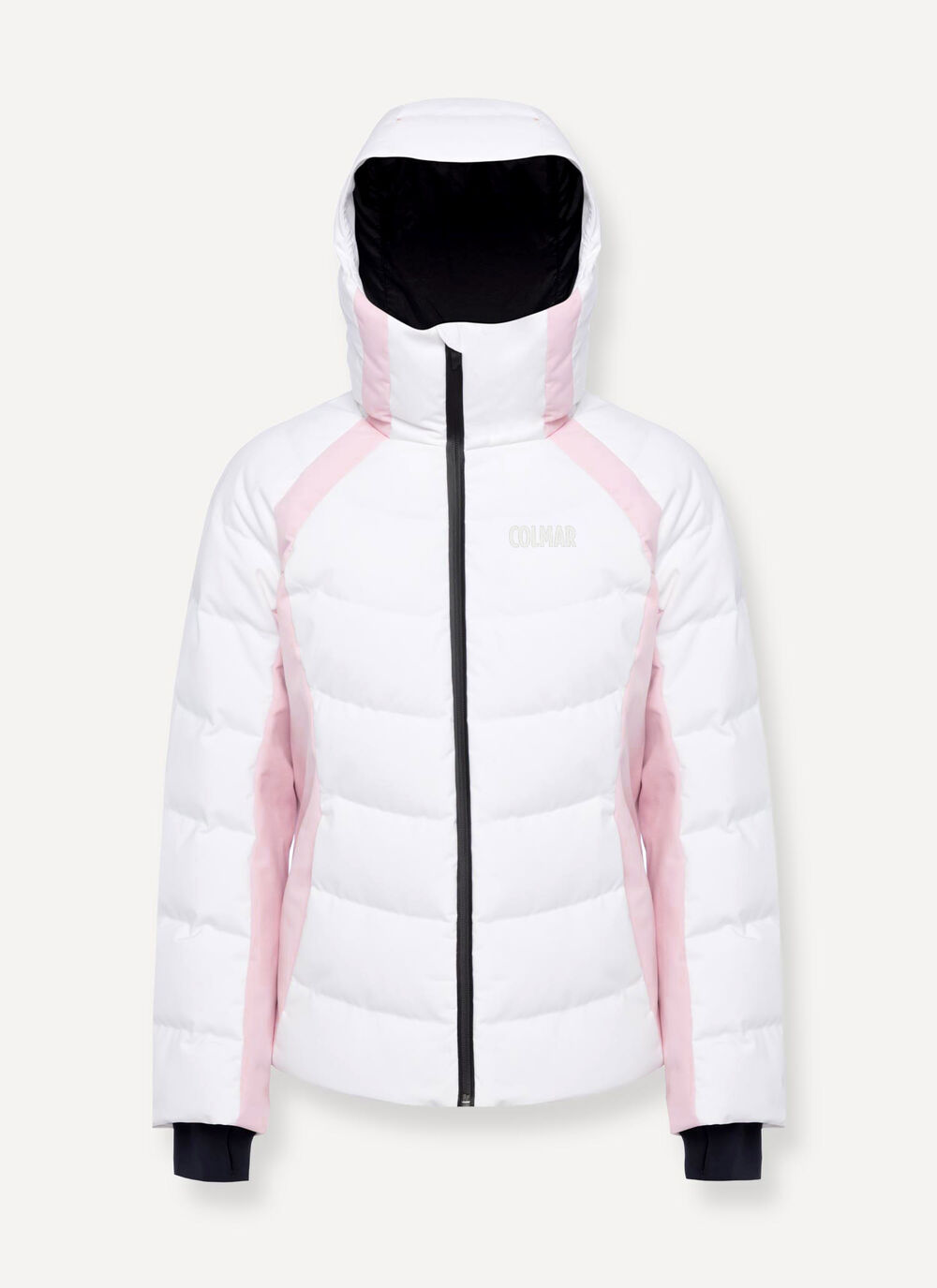
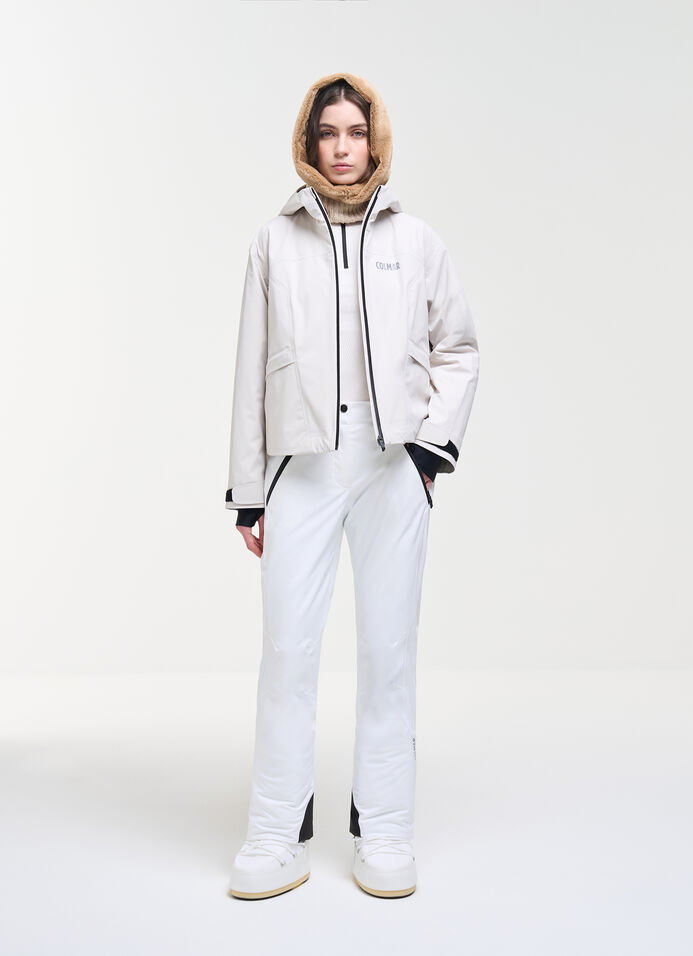
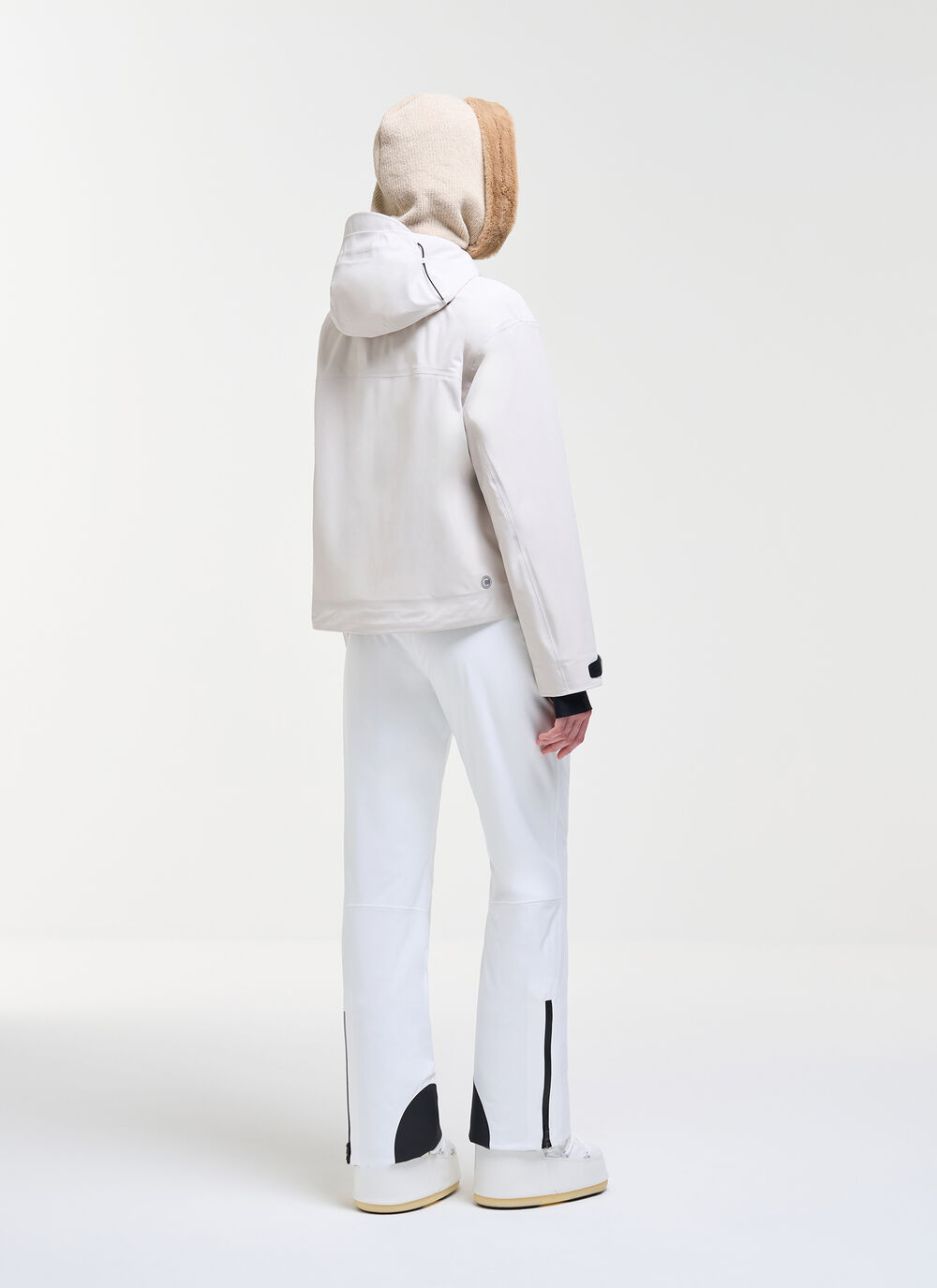
Colmar women's ski jackets include padded models, ski down jackets, softshells and shells, with different levels of warmth and protection. The current selection brings together technical jackets, glossy down jackets, puffy models and multi-layer shells: a variety that helps you choose according to temperature, skiing intensity and preferred fit.
Before design, compare waterproofing, padding, hood and freedom of movement; these are the elements that determine comfort during a day on the snow.
Women's ski jackets, snow jackets and ski down jackets for the slopes
Ski jacket, snow jacket and ski down jacket are often used as synonyms, but they refer to garments with different features. A ski jacket is a technical garment designed to protect from the elements and follow your movements.
A ski down jacket adds down or synthetic padding for intense cold, often with visible quilting. A snow jacket, finally, may have a more casual style, also suitable for mountain walks and village life.
How to choose a women's ski jacket
To choose a women's ski jacket, start from the conditions you ski in most often. If you mainly ski in the depths of winter, look for a warmth level that matches your sensitivity to cold and the layers you wear underneath.
If you move a lot or ski in spring, a less padded and more breathable garment may be more suitable. Then check waterproofing, fit, length and technical details. A warmer model is not automatically better: it must be proportionate to your activity and layering.
Waterproofing and breathability
Waterproofing limits the entry of water and snow from outside; breathability helps disperse the vapour generated during activity. On the slopes both matter, especially when the weather changes or you ski intensively. For technical models, check the values and features stated on the product page: a waterproof jacket that is too warm can be less comfortable than a more balanced solution.
Warmth level and type of padding
Down padding offers high warmth relative to weight and is ideal for very cold days with many breaks. Synthetic padding retains good insulating properties even when damp, which is useful with wet snow or perspiration.
The warmth level also depends on the amount of padding and how it is distributed in the garment. If you tend to feel the cold, choose a more padded model; if you warm up easily, moderate insulation is better.
Padded jacket, ski down jacket, insulator or shell
A padded jacket combines outer protection and insulation in a single garment; a ski down jacket focuses more on warmth; an insulator is a lighter thermal layer; a shell protects from the elements and works together with the layers underneath.
The Colmar collection also includes 3L shells and models to combine in a modular way. The choice depends on how much you want to be able to adjust your warmth level during the season.
Softshell jackets and technical models: differences in use
A softshell ski jacket is made from stretch, breathable and wind-resistant fabrics, often with a water-repellent finish. It is very comfortable and allows great freedom of movement, which is why it is popular on spring days, for ski touring or intense activities.
Padded technical models or those with a membrane offer more complete protection against snow and cold. In practice: softshell for movement and mild days, technical jacket for harsh winter conditions.
Functional details of a snow jacket
Beyond fabric and padding, it is the snow jacket's details that make the difference during a day on the slopes. Waterproof zips, underarm vents, inner stretch cuffs and a drawcord hem help manage warmth and protection.
A ski pass pocket on the sleeve lets you pass through the turnstiles without searching your pockets. Check the product page to see which details each model has, so you can choose the one that best suits your habits.
Hood, snow skirt, pockets and adjustments
Hood, snow skirt, outer and inner pockets and adjustments at the cuffs and hem affect the user experience more than you might think.
The hood should fit well with helmet and collar; the snow skirt limits the entry of snow; an easily accessible ski pass pocket makes getting through the lifts simpler. Always check the product page, as features and configurations vary between down jackets, technical jackets and shells.
Fit and freedom of movement
A ski jacket should follow the figure without restricting shoulders and arms when you wear base and mid layers underneath. Shaped sleeves, stretch inserts and ergonomic constructions support movement while skiing, while an adequate length protects the lower back when you bend or sit on the chairlift.
To check the size, try rotating your torso, raising your arms and bending your elbows with the layers you will actually wear: the hem should not ride up too much and the shoulders should not pull. A regular fit leaves more room for layering; a more shaped line requires less bulky inner layers. Always check the fit information for each model.
How to pair ski jacket, trousers and ski suit
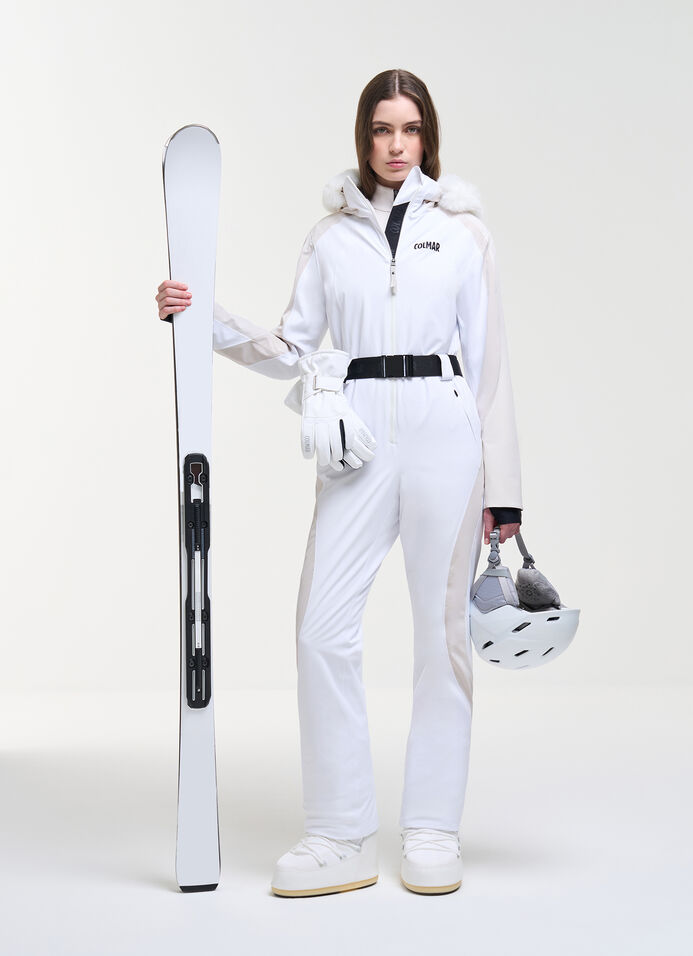
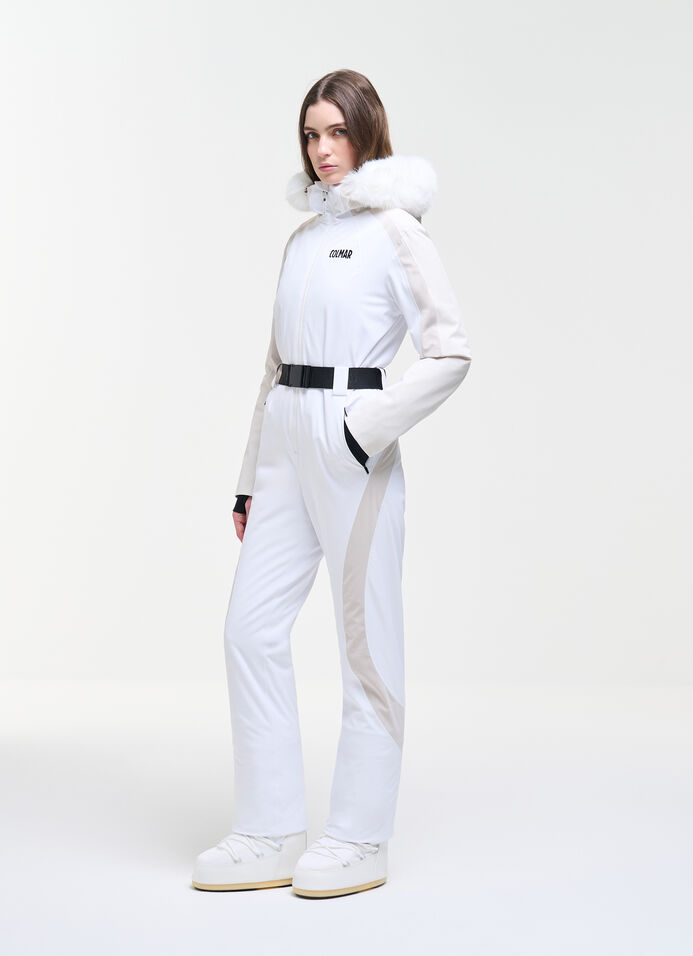
For a coherent outfit, pair the jacket with women's ski trousers offering compatible protection and warmth. Softshell trousers can balance a more padded jacket; thermal trousers are useful if you feel the cold. A women's ski suit is an integrated alternative if you prefer a continuous silhouette and fewer entry points for snow.
Base layers and fleeces for a layering system
A jacket works best within a layering system. Women's base layers manage perspiration and keep the skin dry. Women's mid layers, such as fleeces and insulating tops, add adjustable warmth. With these layers you can use the same jacket on very different days. Complete your kit with warm, waterproof women's ski gloves, essential for dry hands and a secure grip on the poles.
Style, colours and silhouette on the snow
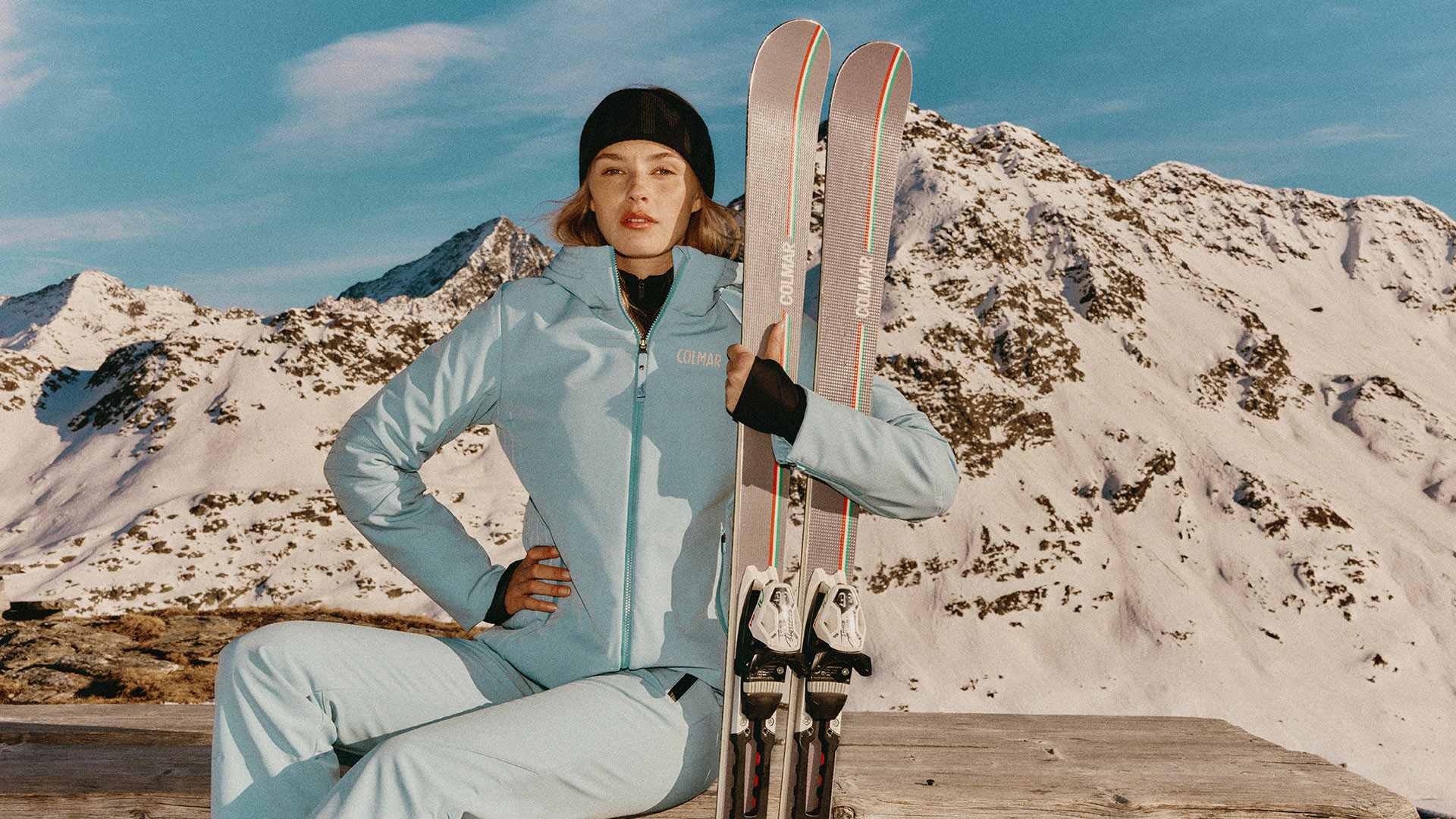
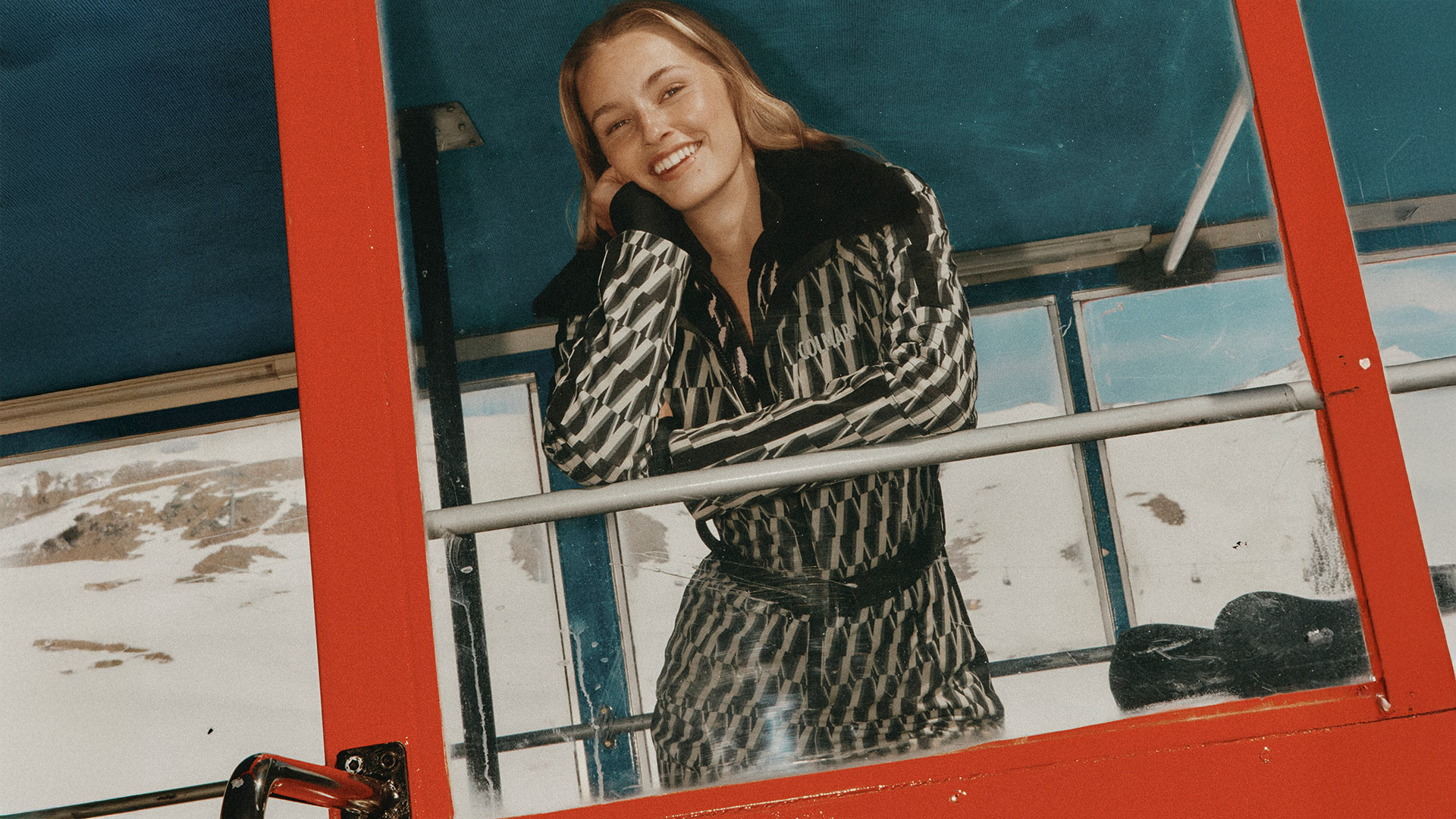
On the snow, style plays an important role as well as function: bright colours make you more visible on the slopes, while neutral ones are easier to match. Shaped silhouettes flatter the figure, while wider, quilted models have a contemporary look.
Glossy or matte finishes, contrasting inserts and details such as hoods with soft trims change the character of the jacket. Colmar has always interpreted style on the snow as an integral part of performance.
Caring for your technical jacket according to the label
Follow the instructions on the label and the product page. With technical garments, harsh detergents and fabric softeners can interfere with membranes and surface treatments. Close zips and Velcro before washing, dry the garment completely and store the jacket without compressing it. For down jackets and padded garments, always follow the specific drying instructions.