
Ski Clothing for Women


Select Size


Select Size




Select Size


Select Size


Select Size


Select Size


Select Size


Select Size


Select Size


Select Size


Select Size


Select Size


Select Size




Select Size


Select Size




Select Size


Select Size


Select Size


Select Size


Select Size


Select Size


Select Size


Select Size


Select Size


Select Size


Select Size


Select Size


Select Size


Select Size


Select Size




Select Size


Select Size


Select Size


Select Size




Select Size


Select Size


Select Size


Select Size


Select Size


Select Size


Select Size


Select Size


Select Size


Select Size


Select Size


Select Size


Select Size


Select Size
Colmar women's skiwear lets you build your outfit in layers, combining jackets, trousers, one-piece suits, thermal tops, fleeces and accessories. The choice starts from the conditions you ski in and how sensitive you are to the cold: the category brings together garments with different warmth levels, slim, regular or comfort fits and solutions designed for protection, breathability and freedom of movement.
A well-balanced system avoids relying on a single garment and makes it easier to adapt to temperature changes at altitude.
Women's ski and snow clothing: how to put your outfit together
An effective ski outfit works on three levels: a base layer next to the skin, a mid layer to regulate warmth and an outer layer against wind, snow and moisture. Technical trousers and accessories complete it. In the Colmar selection you can coordinate women's ski jackets, women's ski trousers, ski suits, fleeces and thermal tops, choosing fit and warmth level consistently.
One-piece ski suit or two-piece set
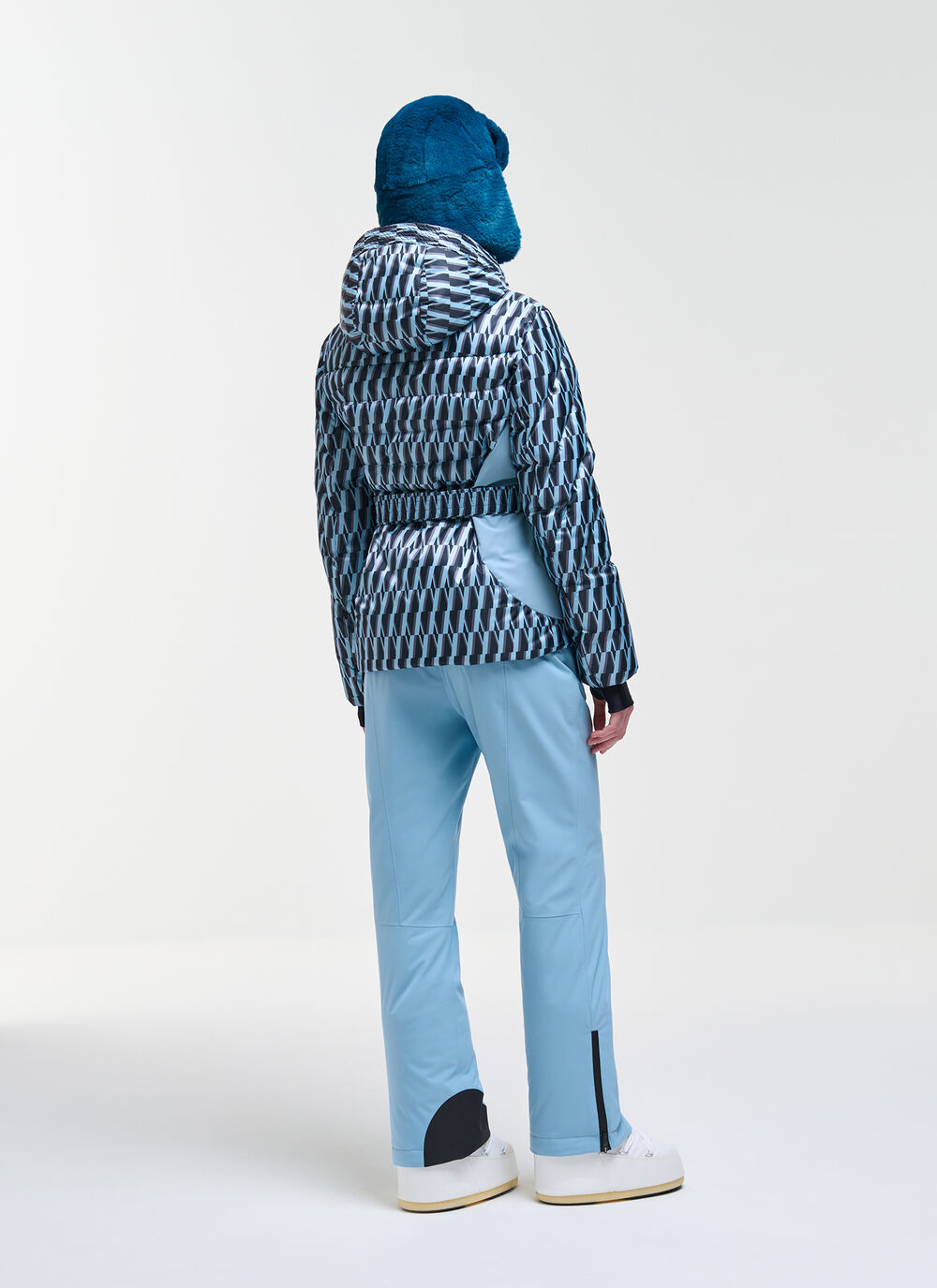
This is the first choice to make. A one-piece suit offers continuous protection, with no entry points for snow between jacket and trousers, and flatters the silhouette with a clean line. A two-piece set is more modular: you can also wear the jacket in town or pair it with different trousers.
Both solutions can offer excellent performance; the choice depends on personal taste, practicality and how you plan to use the garments on and off the slopes. For beginners, a one-piece suit is often the simplest solution: just one garment to put on and no doubts about combinations.
Women's ski suits for protection and freedom of movement
Women's ski suits are appreciated for their enveloping effect and complete protection against snow, especially in falls or on fresh-snow days.
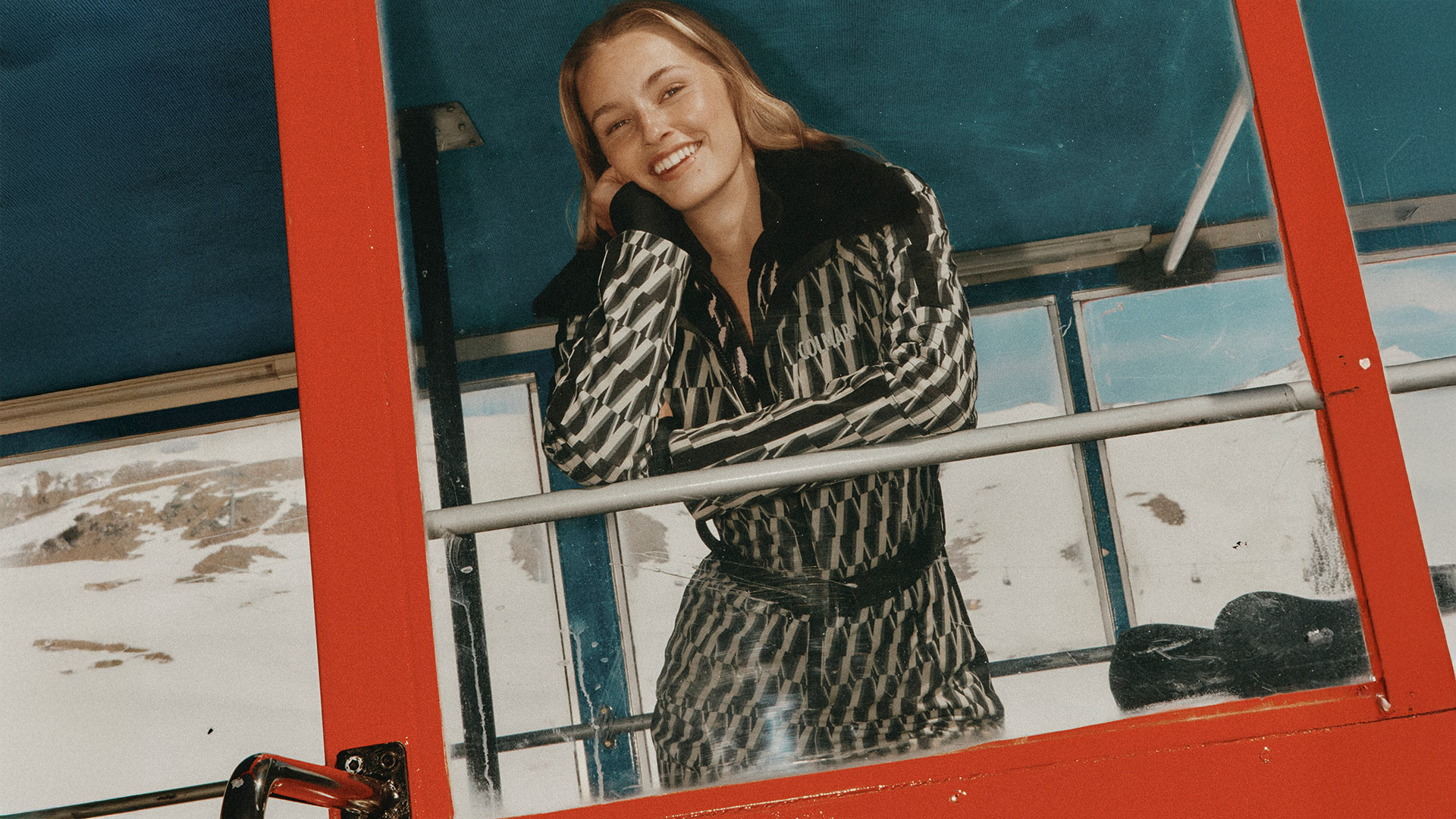
Modern models are designed with stretch fabrics and constructions that follow the body's movements. A waist belt, front zips and a hood are details that improve comfort and fit. A well-chosen ski suit also becomes a recognisable style statement on the slopes.
Coordinated ski jacket and trousers
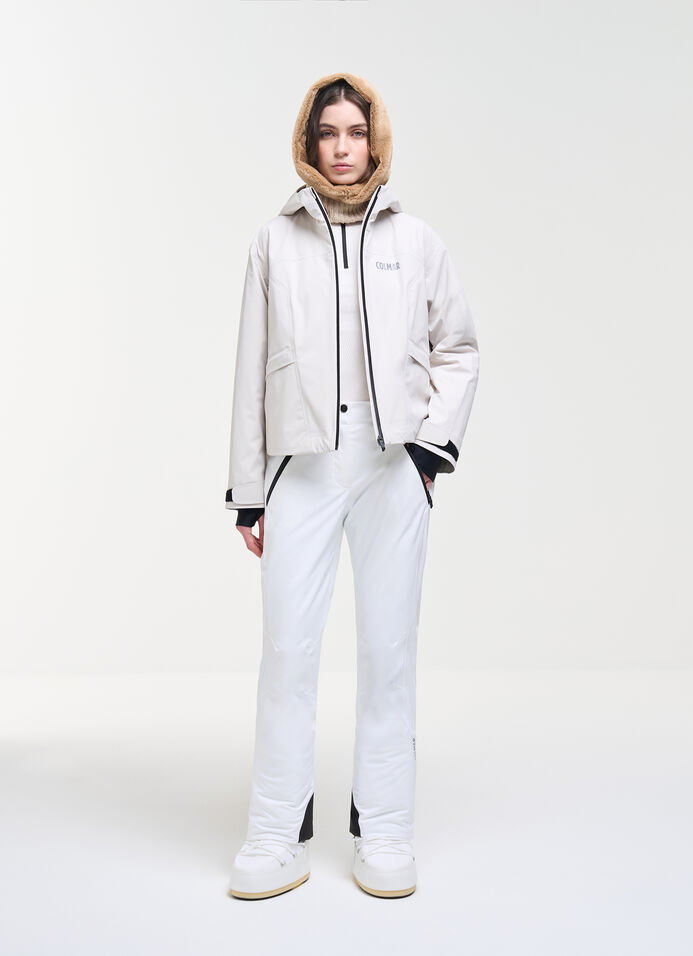
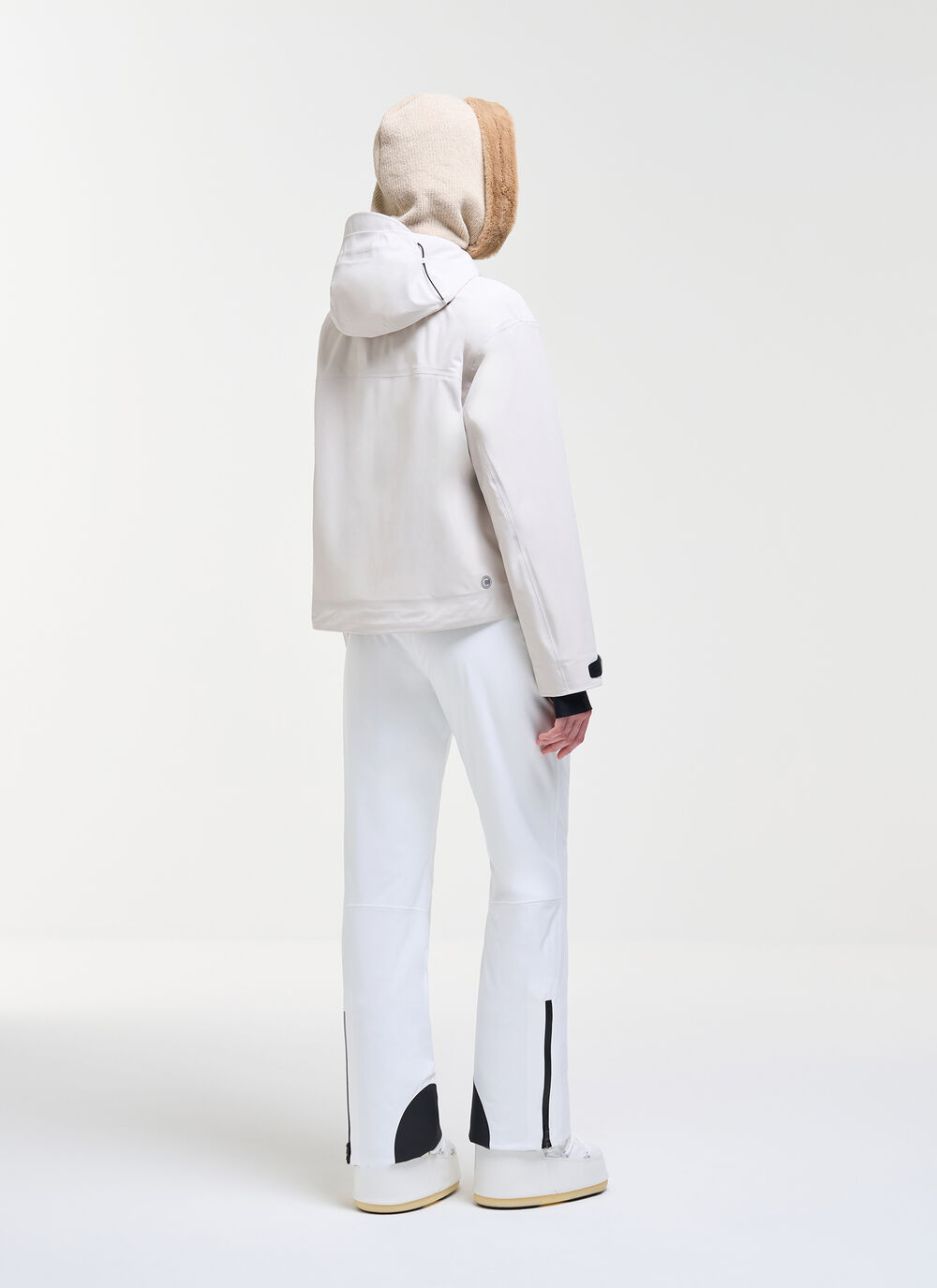
A two-piece set lets you choose a jacket and trousers with different features: for example, a warmer jacket and lighter, stretchier trousers. Coordinating the colours creates a harmonious look, while pairing black trousers with a colourful jacket makes the outfit versatile. Being able to take off the jacket in the mountain hut or at après-ski adds practicality. You can start from women's ski jackets and then choose the most suitable trousers.
Women's ski jackets: waterproofing, warmth and breathability
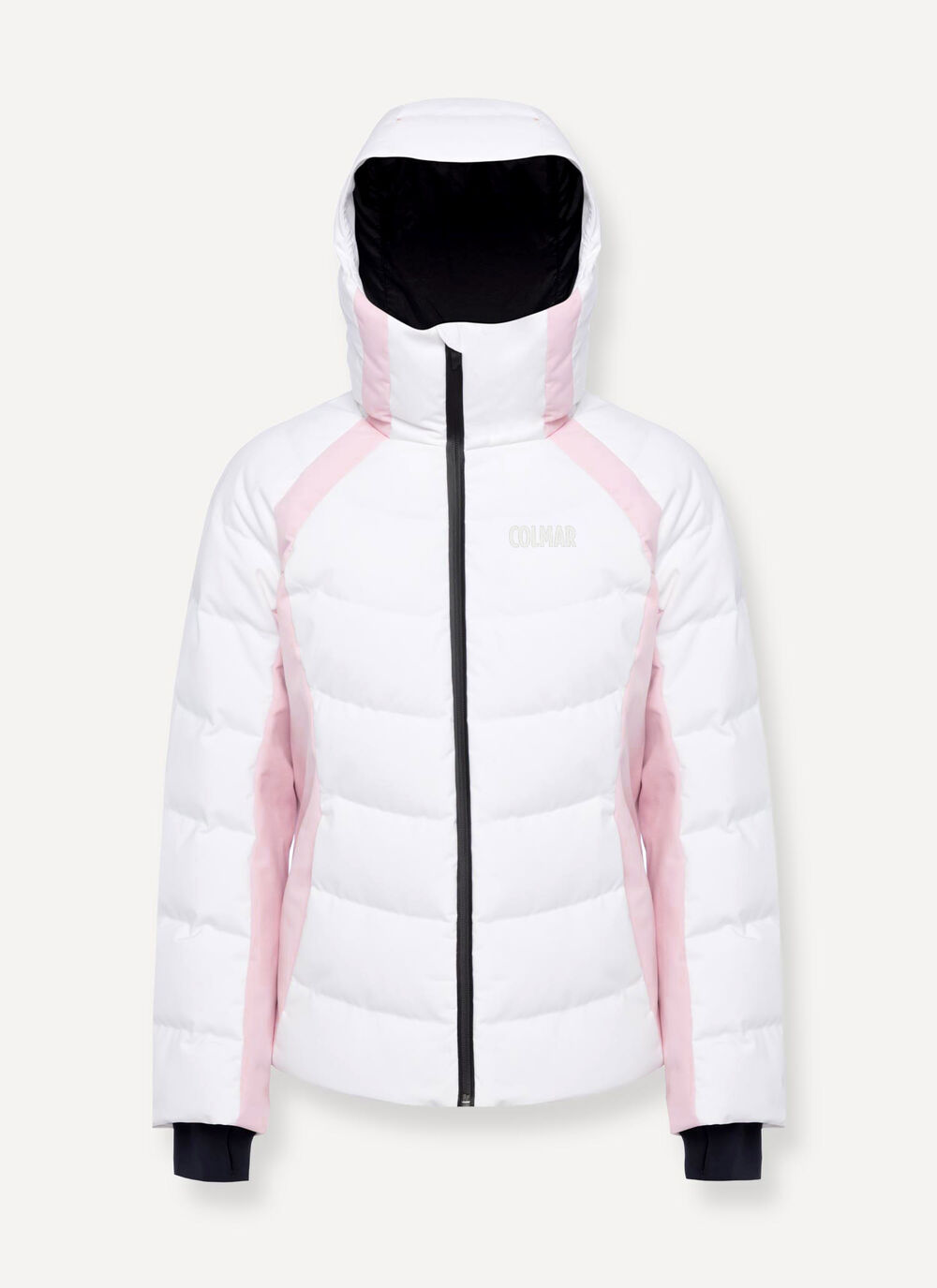
The outer jacket must balance water protection, insulation and heat dispersion. A ski down jacket is ideal when you want more warmth; a jacket with synthetic padding offers a padded alternative; softshells and shells meet more dynamic or modular needs. Always compare waterproofing, warmth level, hood and fit on the product page. If you ski intensively, breathability is as important as warmth.
Ski trousers, salopettes and snow leggings
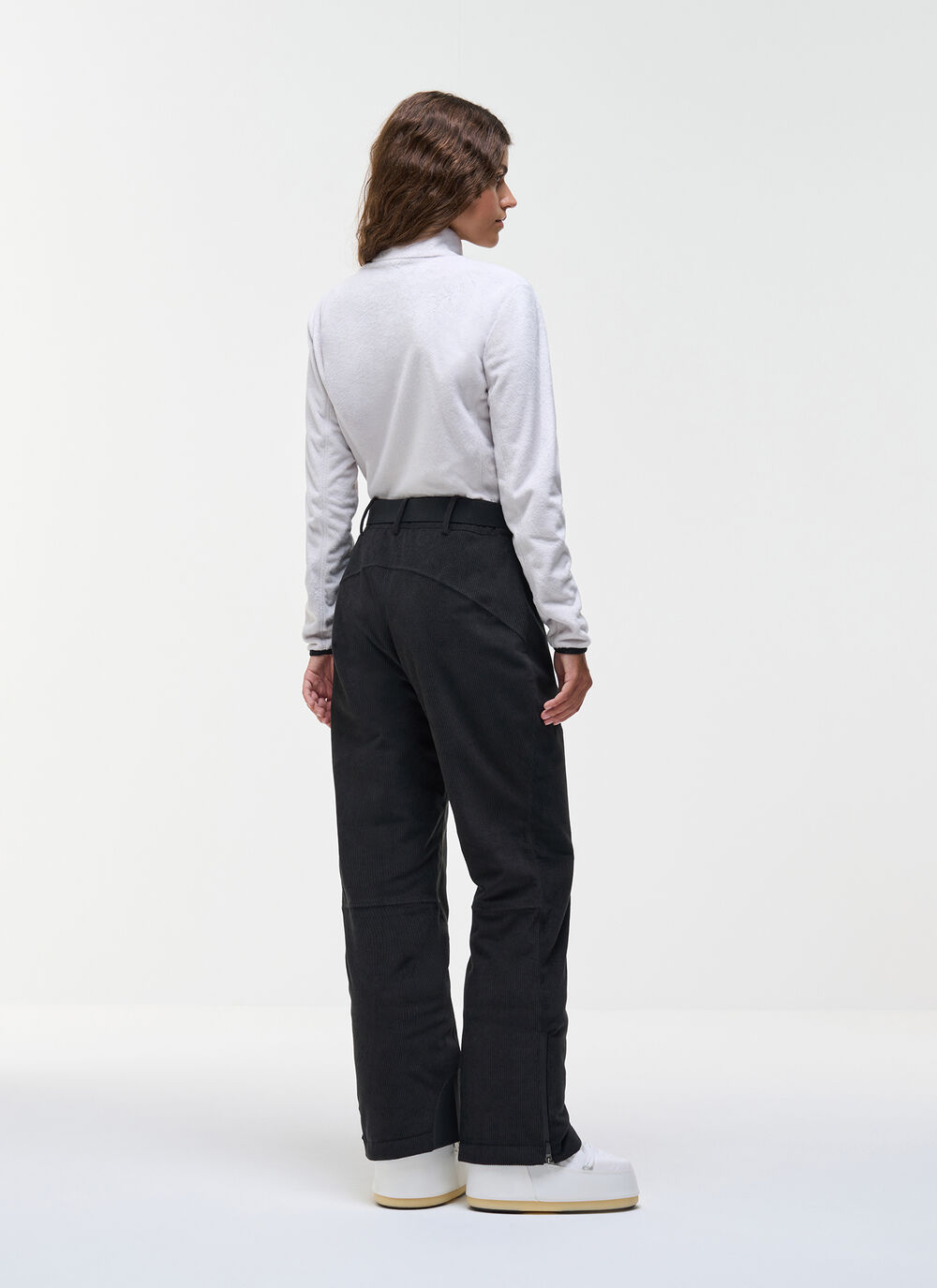
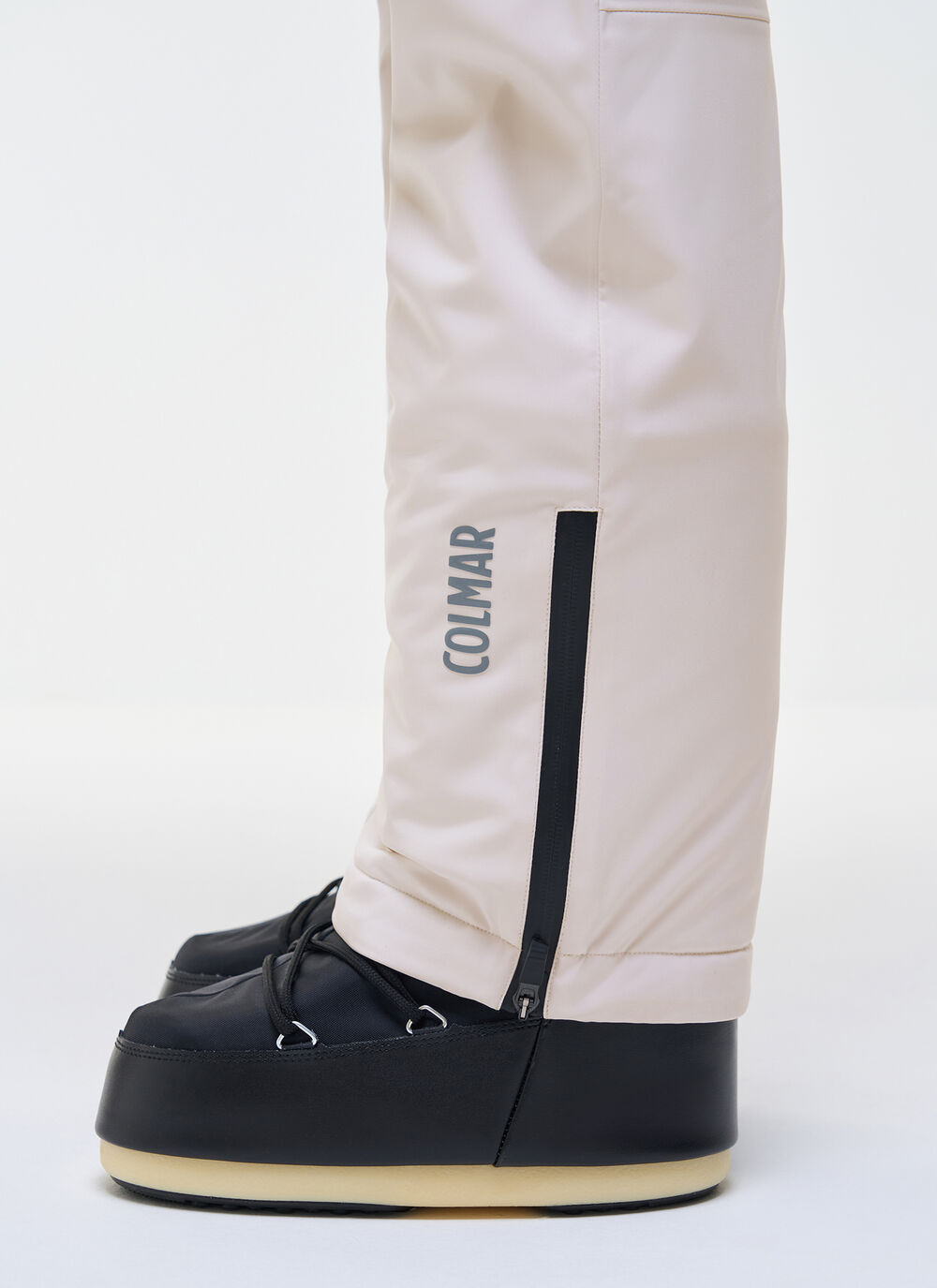
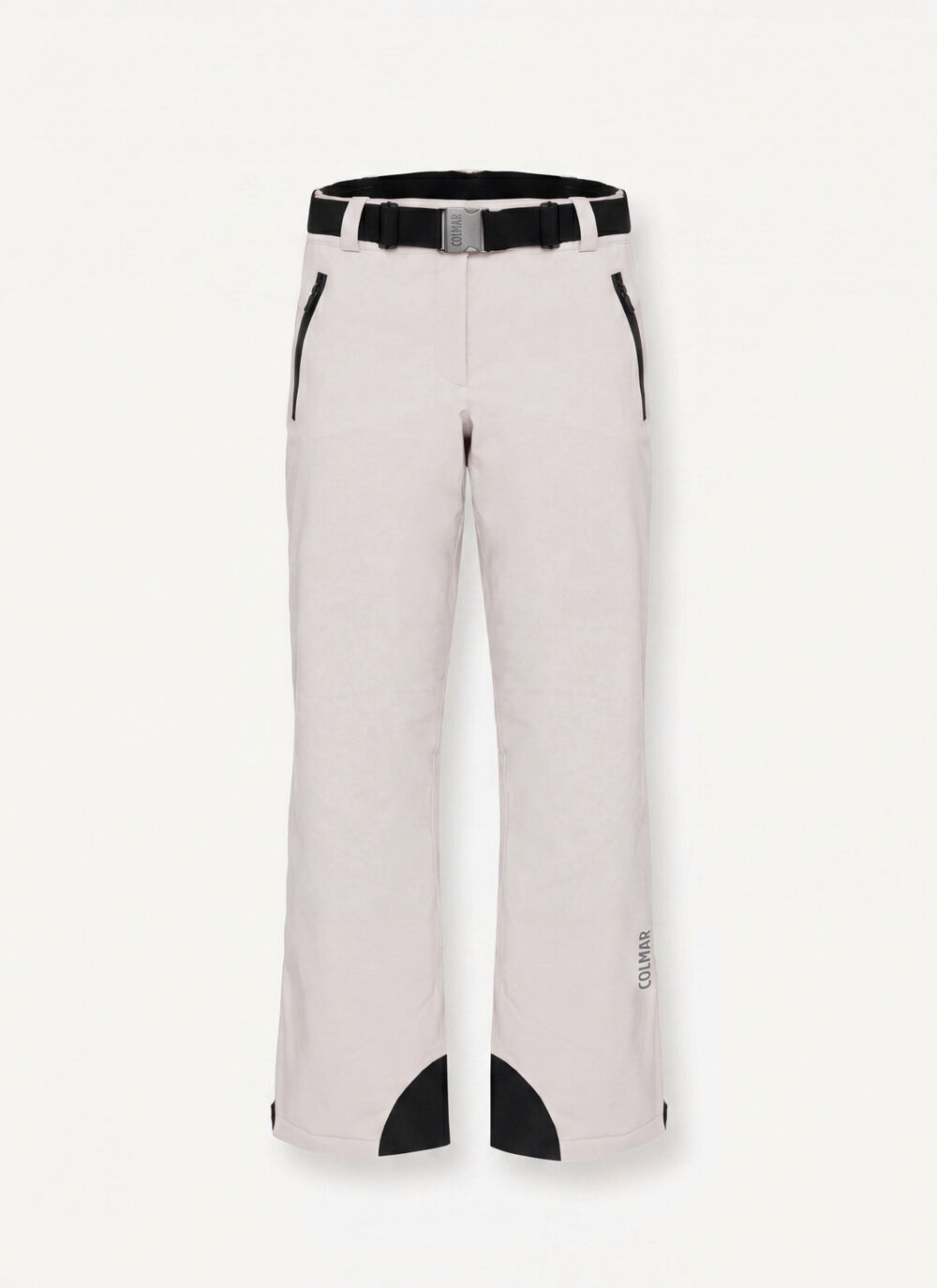
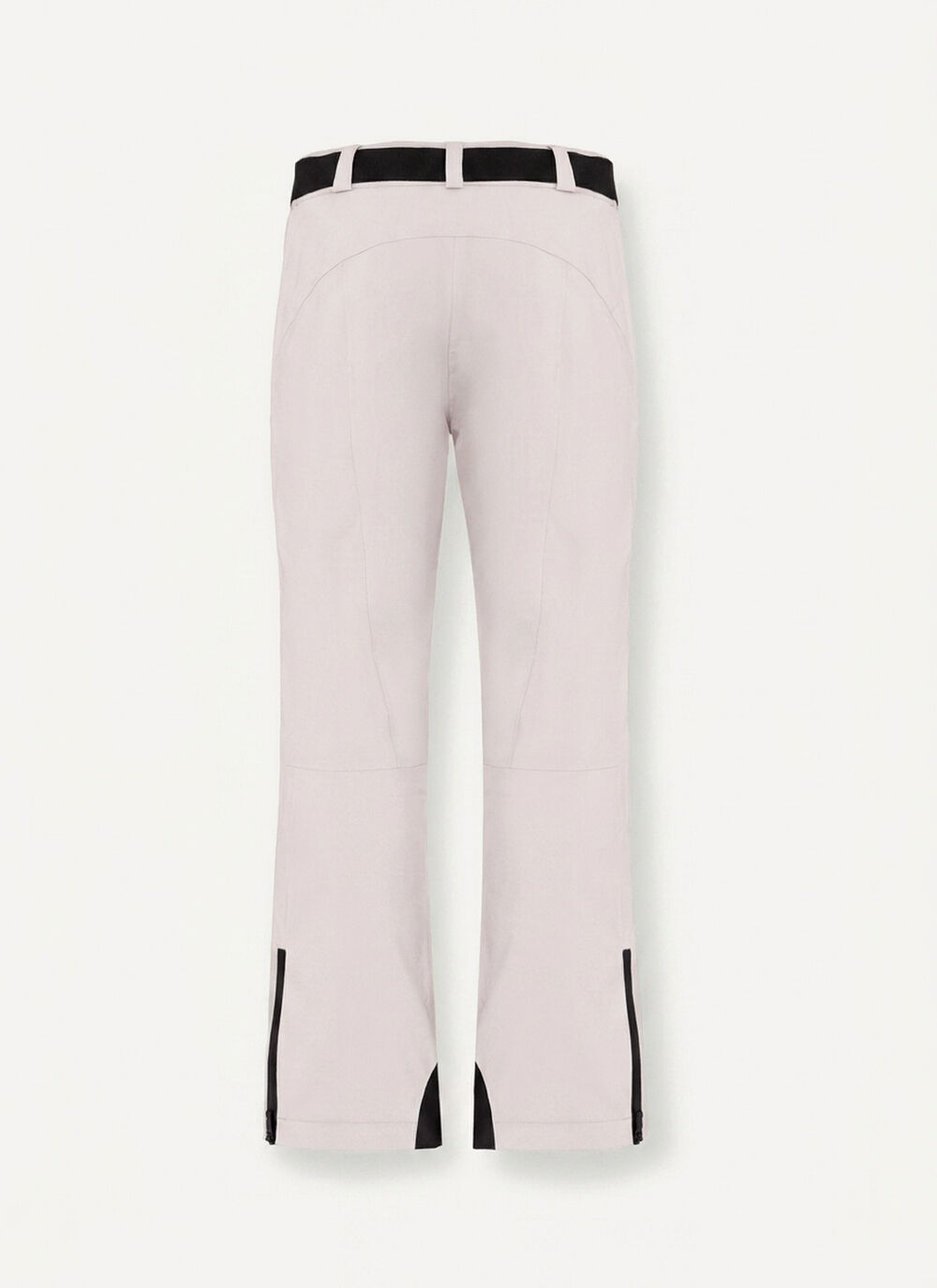
For women's ski trousers, the choice focuses on insulation, stretch and protection of the areas most exposed to snow. Padded models offer more warmth; softshell prioritises stretch and a slimmer line; salopettes and trousers with braces increase coverage at the waist.
The collection also includes ski leggings. Details such as snow gaiters, edge guards and an adjustable waistband improve functionality and should be checked model by model.
Thermal tops, base layers and fleeces for layering
Thermal tops and base layers manage the microclimate next to the skin; fleeces and mid layers add warmth without restricting movement. The combination can change during the season: in mild temperatures a light mid layer is enough, while on colder days you need a warmer mid layer. Technical materials such as Dryarn® feature in the thermal range and are designed for active use on the snow.
Women's ski gloves, hats and accessories
Women's ski accessories complete the management of warmth and protection in the most exposed areas. Gloves should combine insulation, protection from moisture and a secure grip on the poles; technical socks should stay in place in the ski boot without creating folds or excessive thickness. Hats, headbands and neck warmers help during breaks, on the chairlift and in less dynamic moments.
When choosing, always consider temperature and your personal sensitivity to cold: accessories that are too heavy can be uncomfortable on mild days, while more protective versions are useful when wind and cold increase. Finally, colours and details can be coordinated with jacket and trousers without compromising function.
Choosing clothing according to conditions and activity intensity
In harsh temperatures, choose a higher level of insulation and complete protection; on mild days or when skiing intensively, reduce the weight of your layers to avoid overheating. Wind, wet snow and time on the chairlift increase the need for outer protection.
The warmth scale on Colmar garments is useful for quickly comparing models, but should be read together with waterproofing, breathability and layering. If you alternate very active days with more static phases, choose a layering system that is easy to adjust during the day.
Fit, sizes and freedom of movement on the snow
Skiwear must allow free movement of arms, shoulders and knees, even with layers underneath. Try on jackets and trousers thinking about what you will wear underneath: base layers and mid layers take up space. Sleeves should cover your wrists when you are in skiing position, and trousers should fall correctly over the ski boot.
Check the size guide and the fit information on each product page. If you are unsure between two sizes, bear in mind that a slightly roomier garment leaves space for layers and improves heat circulation.
From the slopes to après-ski: function and style
Today, women's skiwear is also designed for what happens after the run. Shaped lines, carefully chosen colours and refined details let you go from the slopes to the mountain hut or an aperitivo in the village while keeping a polished look.
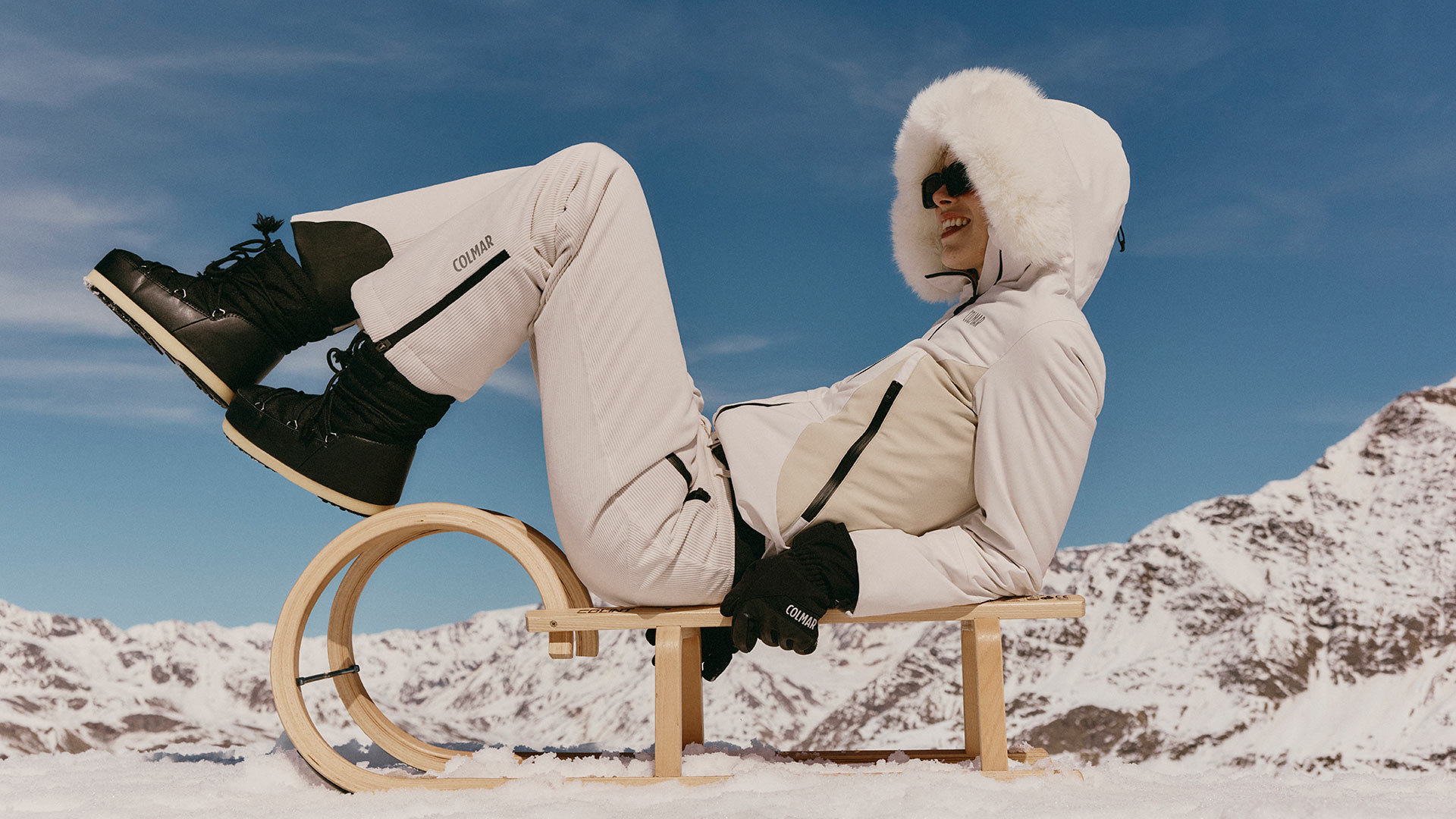
A cleanly designed jacket can also be worn in the city during winter. Colmar combines technical functionality and aesthetic care, a combination that has been part of its identity since the very beginning. Even small details, such as faux fur on the hood or metallic finishes, make a difference in style.
Caring for technical clothing according to the labels
Technical clothing retains its performance best when washed according to the garment's specific instructions. Close zips and Velcro, empty pockets and do not use fabric softeners unless expressly permitted. Dry jackets and trousers completely before storing them and check the label to see whether the fabric requires special procedures to preserve membranes, water-repellent finishes or padding.