
Ski Trousers for women


Select Size


Select Size


Select Size


Select Size


Select Size


Select Size


Select Size


Select Size


Select Size


Select Size


Select Size


Select Size


Select Size


Select Size


Select Size


Select Size


Select Size




Select Size


Select Size


Select Size




Select Size


Select Size


Select Size


Select Size


Select Size


Select Size


Select Size


Select Size


Select Size


Select Size


Select Size


Select Size


Select Size


Select Size
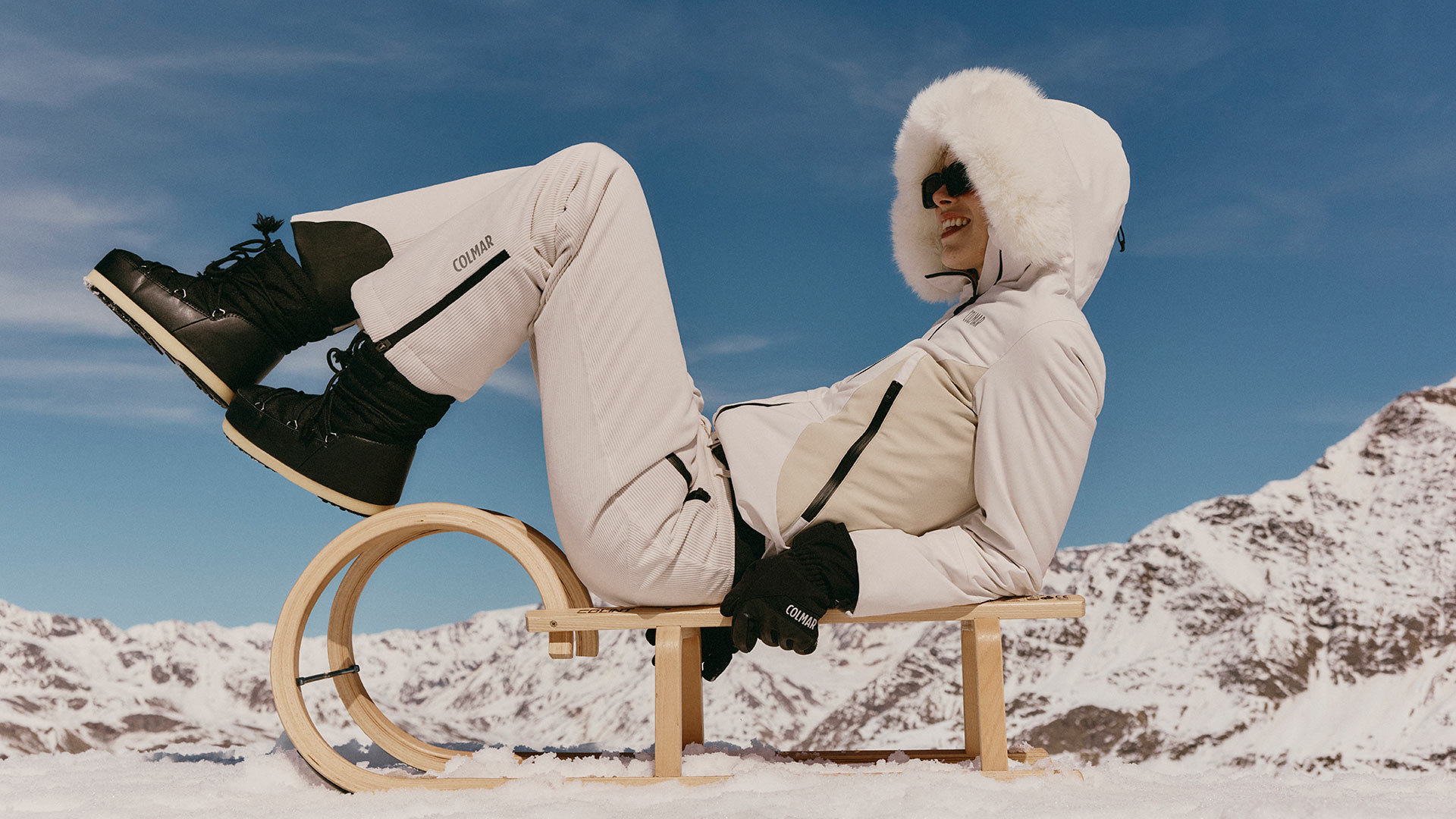
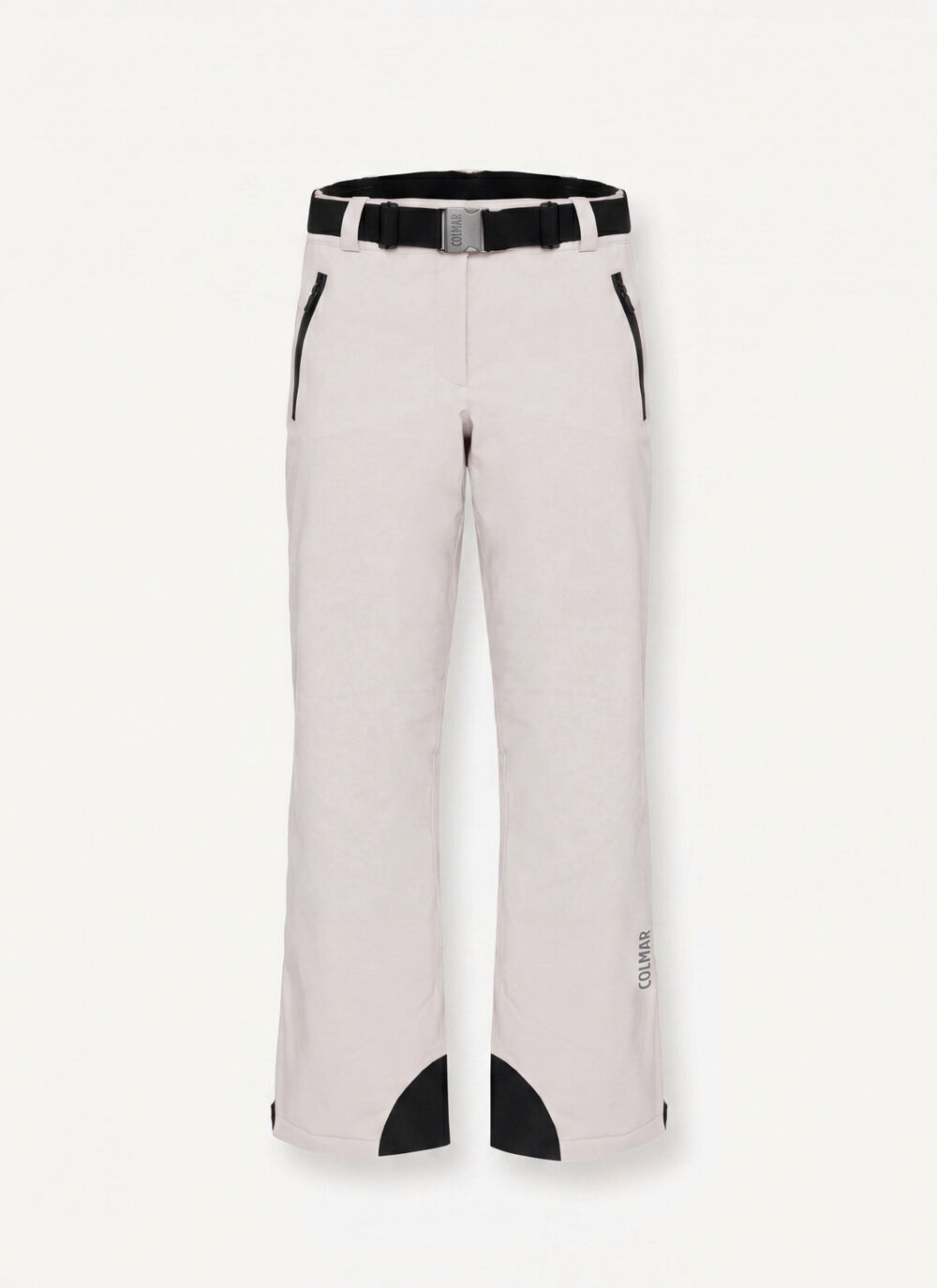
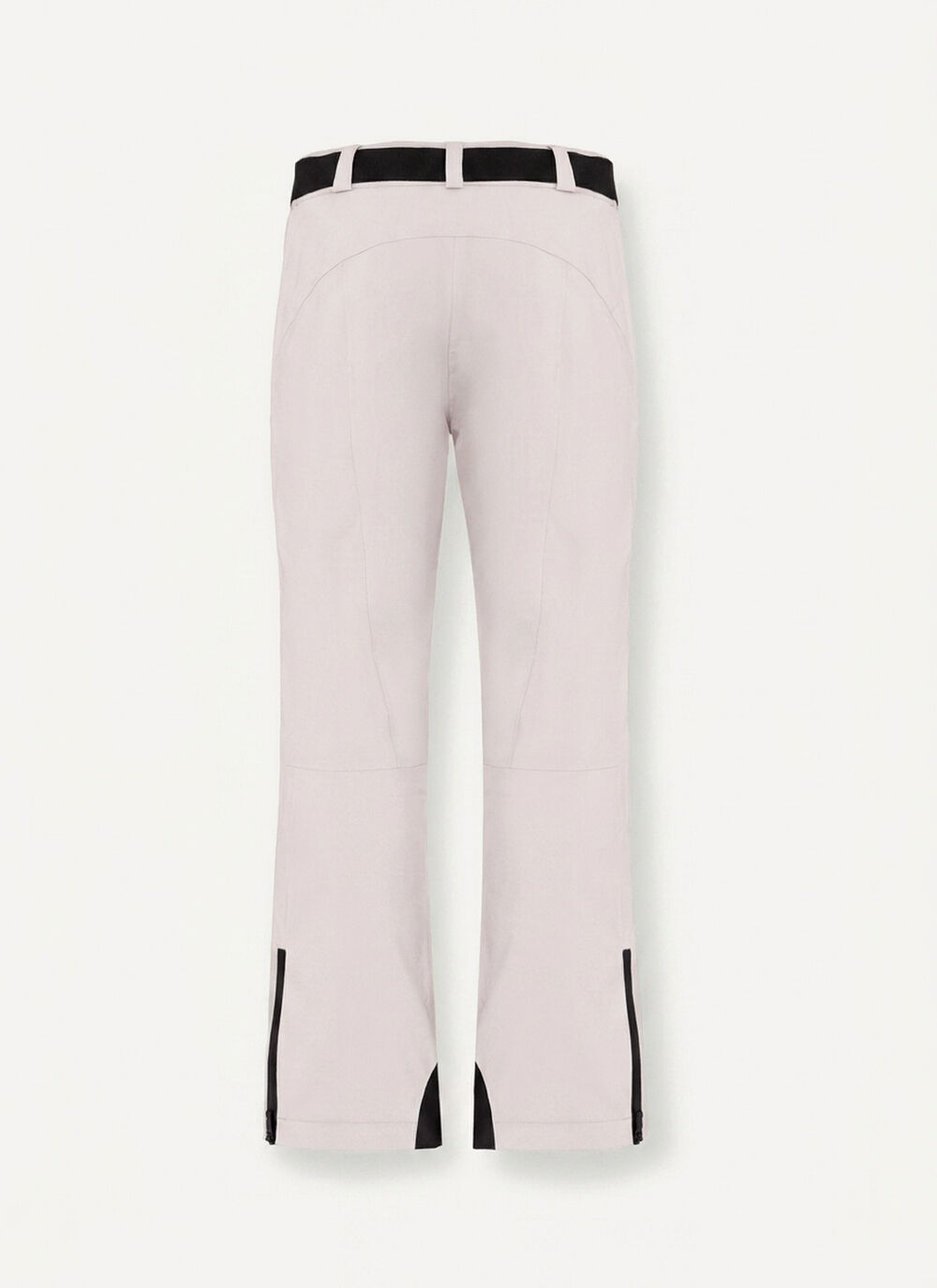
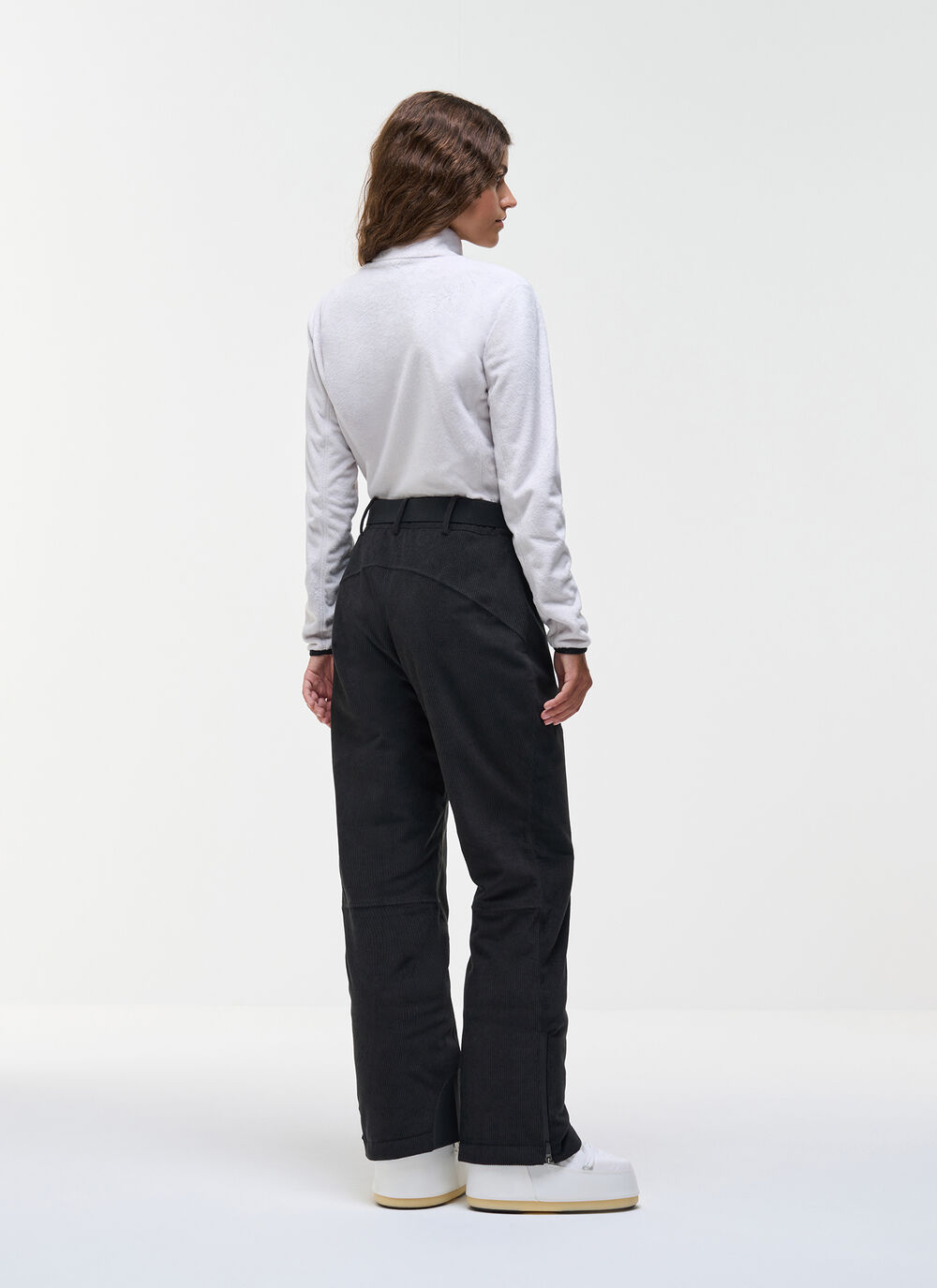
Colmar women's ski trousers include padded, softshell, leggings and salopette models, with slim or regular fits and different warmth levels. The choice must combine protection, stretch and integration with the ski boot. The collection features waterproof trousers with technical details such as snow gaiters, edge guards, adjustable waistbands and braces: elements that help limit the entry of snow and keep the garment stable while skiing.
Women's ski and snow trousers for protection and movement
Ski trousers must do two jobs at once: protect from cold, snow and moisture and leave the legs and knees free to move. Snow trousers designed for use in the mountains share the same logic, sometimes with a more versatile approach.
The difference between good trousers and unsuitable ones is felt above all at the end of the day: comfortable trousers don't pull, don't let snow in and keep your legs warm and dry even after many runs.
Padded, softshell and close-fitting trousers
Padded trousers add insulation and are better suited if you feel the cold or ski in the depths of winter; softshell is stretchier and creates a slim line, particularly suitable if you prioritise freedom of movement and a close fit. Ski leggings take this approach even further. Don't choose on silhouette alone: warmth level, waterproofing and room for a base layer remain decisive.
When to choose more insulation
Padded trousers are the right choice if you often ski early in the season, at high-altitude resorts or in very low temperatures. They are also recommended if you take many breaks, spend time on the chairlift or tend to feel the cold in your legs.
In these cases, integrated insulation saves you adding too many layers underneath. If, on the other hand, you ski mainly in spring or intensively, less padded trousers combined with a base layer may be more comfortable.
Ski leggings and slim lines
Ski leggings and slim-line trousers are appreciated for their elongating effect and the contemporary style they bring to the slopes. Made from stretch fabrics, they follow the body without constricting and pair well with padded jackets or ski down jackets.
They are particularly suitable on days that are not too cold or combined with thermal tights. Check the fabric features on the product page and whether there are details such as snow gaiters.
Ski salopettes and trousers with braces
Ski salopettes increase coverage of the torso and stay in place thanks to the braces, limiting the gap between jacket and trousers. They are useful if you want continuous protection or prefer no pressure at the waist.
Traditional trousers are quicker to put on and easier to pair with different jackets. Braces, when present on trousers that are not salopettes, add stability without completely changing the construction of the garment.
Waterproofing, breathability and stretch on the slopes
Waterproofing and breathability protect in two opposite directions: snow and moisture from outside, vapour and heat from inside. Stretch completes the picture, because trousers must follow bending, rotation and your position on the skis. In softshell models, the stretch component is particularly important; in padded trousers, check that the thermal volume does not restrict movement and that the waist remains comfortable with a base layer.
Technical details to consider
Beyond the fabric, details make the difference on the slopes. Waterproof pocket zips, side vents, pre-shaped knees and adjustable hems improve comfort and protection.
Zip pockets let you keep your ski pass and small items safe. Check the product page of each model to see which details it has, so you can choose the trousers best suited to your habits and the type of skiing you do most often.
Snow gaiters and edge guards
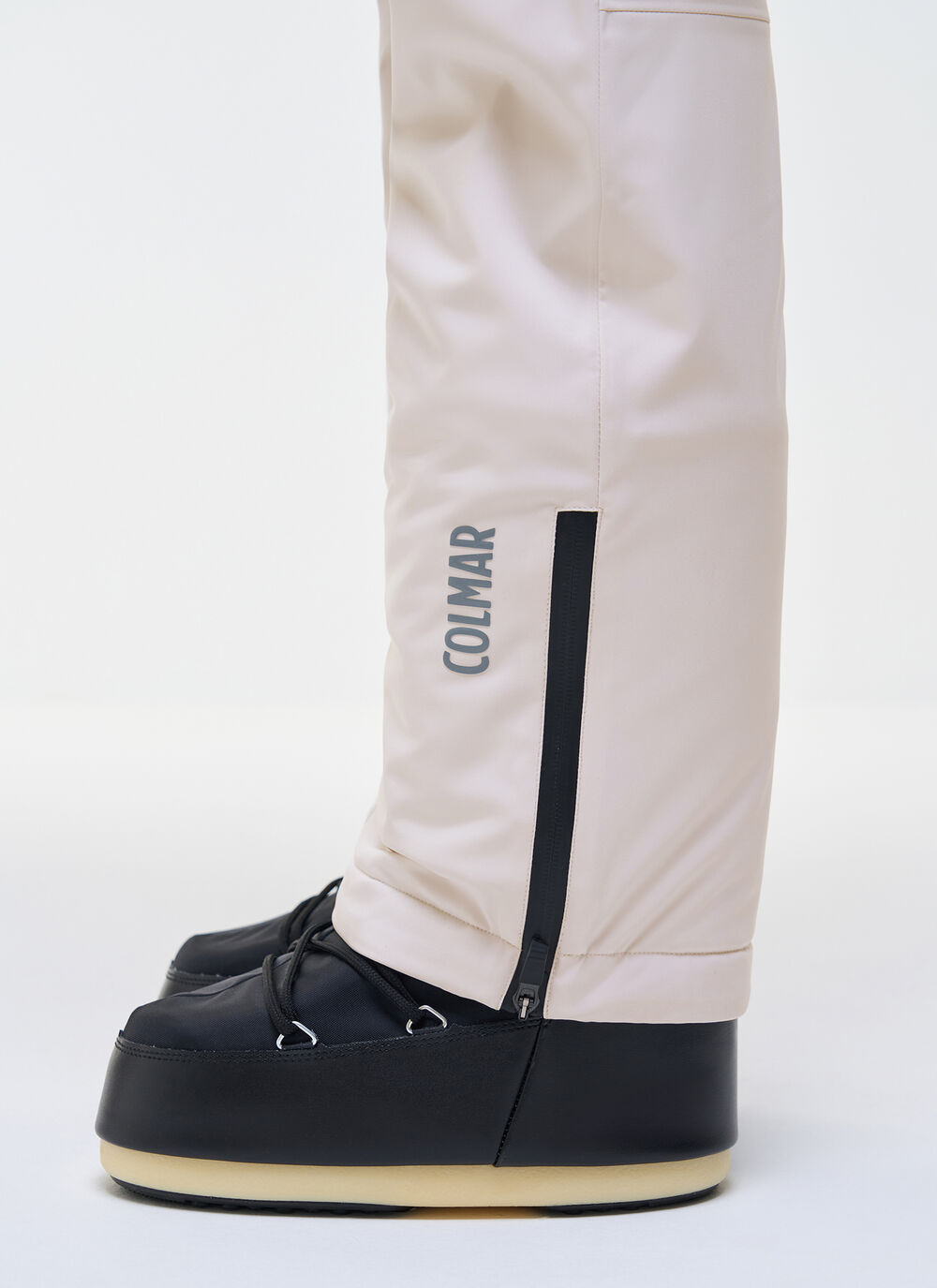
Snow gaiters create a barrier around the ski boot and reduce snow entering at the hem. Edge guards protect the inner area, which is most exposed to contact with ski edges and boots. They are small details but useful for the durability and functionality of the trousers, especially if you ski often. Always check their position and material on the model's technical sheet.
Adjustable waistband, braces and openings
An adjustable waistband, with Velcro or inner elastic, lets you adapt the waist to your figure and the layers you are wearing. Braces, fixed or removable, keep the trousers in place and prevent them slipping while skiing. Side openings with zips can be used for ventilation or to make it easier to put the trousers on over ski boots. The front zip and snap-button fastening also affect everyday practicality.
Fit, size and easy-to-match black trousers
A slim fit enhances a closer line, while a regular fit leaves more ease and can more easily accommodate a thermal layer.
Black ski trousers remain a versatile choice as they coordinate with almost any jacket, but the Colmar palette also includes blue, white, green and brighter shades. Choose your size by checking movement in a squat and when bending: the waist should stay stable without pulling across the thighs and knees.
How to coordinate ski trousers and jacket
A harmonious outfit comes from a balance between function and style. Choose trousers with a warmth level consistent with that of the jacket, for uniform comfort across the whole body. Aesthetically, neutral trousers enhance a colourful women's ski jacket, while a plain matching set creates a bold, elegant look. If you prefer a continuous line, consider women's ski suits as an alternative to a two-piece set.
Base layers and fleeces to complete your layers
Under your trousers, technical tights manage perspiration and keep your legs dry: you will find options among women's base layers. For the upper body, a fleece or insulating top from our women's mid layers completes the layering system. Don't forget women's ski gloves, essential for warm, dry hands. A well-built layering system lets you use the same trousers in very different conditions.
One-piece suit or set with trousers: which to choose
A women's ski suit creates continuous protection between upper and lower body and concentrates the fit in a single garment.
A set with separate trousers is more modular: it lets you choose jacket and trousers independently by warmth level, fit and technical features, and makes it easier to manage layers during breaks. The choice therefore depends mainly on fit preferences, your usual conditions on the snow and the level of modularity you want.
Caring for technical trousers according to the label
Wash your trousers following the label and pay attention to membranes, stretch inserts and waterproof treatments. Close zips and Velcro, remove braces if indicated and do not use fabric softeners when not recommended. At the end of the day, let gaiters and hems dry completely, as these are the areas that most easily accumulate snow and moisture.